Welcome, fellow audio enthusiasts and aspiring recording artists, to Tmava.com! As your seasoned audio engineer with over a decade in the trenches of music and broadcast, I’m thrilled to guide you through the intricate world of Studio Quality Mics. Achieving that coveted “studio sound” isn’t just a myth; it’s a tangible goal attainable with the right knowledge, equipment, and techniques. A studio-quality microphone is the cornerstone of any professional recording setup, designed to capture sound with exceptional clarity, detail, and fidelity. It’s about translating the raw acoustic energy of a performance into a pristine electrical signal, ready to be shaped into a masterpiece. Let’s peel back the layers and discover what truly sets these microphones apart and how you can leverage them to elevate your sound.
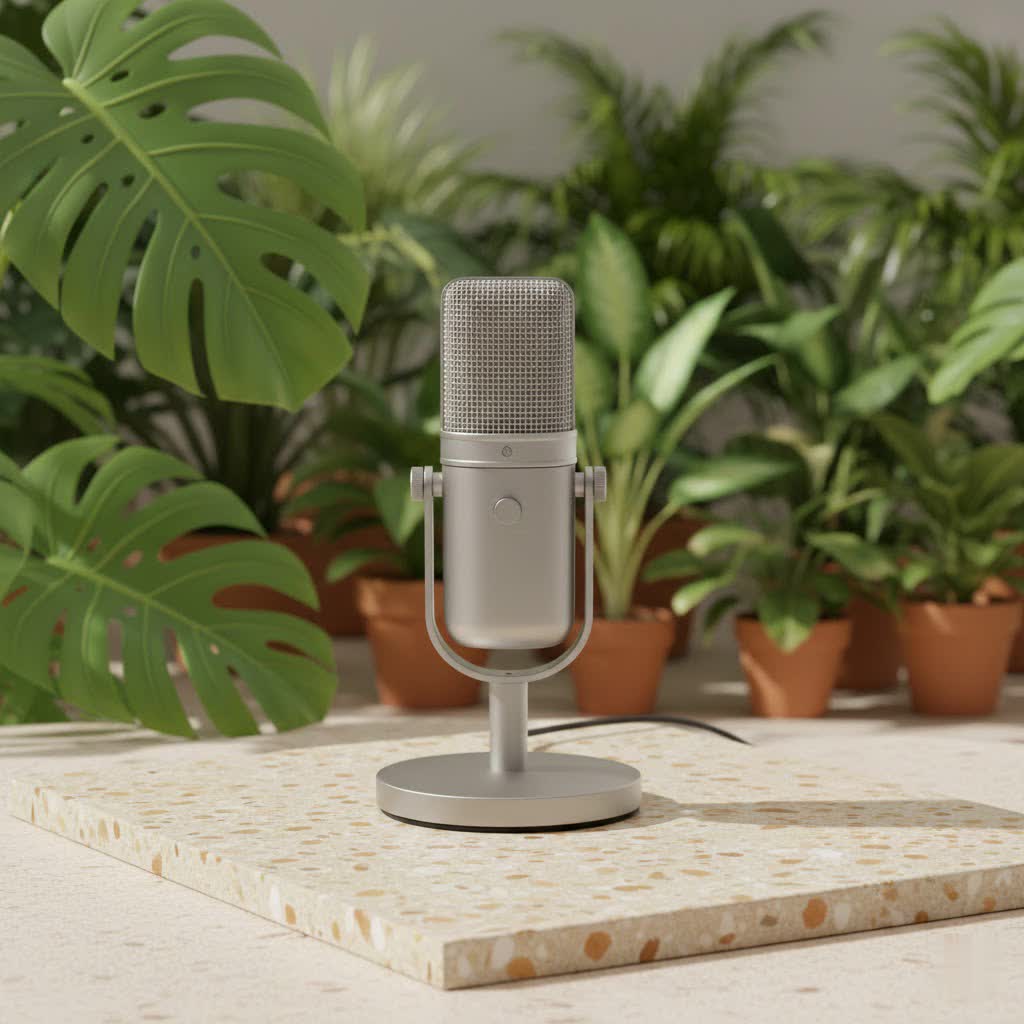
What Truly Makes a Microphone “Studio Quality”?
When we talk about a microphone having “studio quality,” we’re not just throwing around a fancy term. We’re referring to a blend of precision engineering, superior componentry, and an unwavering commitment to sonic integrity. It’s about more than just picking up sound; it’s about capturing every nuance without unwanted coloration or noise.
Beyond the Hype: Key Technical Specs
At the heart of a studio-quality microphone lies a set of crucial technical characteristics:
- Low Self-Noise and Signal Purity: Imagine trying to record a whisper in a noisy room. That’s what high self-noise feels like to your recording. Studio-quality microphones are engineered with incredibly low self-noise, meaning the internal electronics generate minimal unwanted hiss or hum. This ensures that the only sound being captured is your intended audio source, resulting in a cleaner, more transparent signal from the get-go.
- Accurate Frequency Response and Transient Detail: A top-tier mic aims for a balanced and accurate frequency response, faithfully reproducing the full spectrum of sound from deep lows to shimmering highs without “hyping” certain frequencies. This faithful reproduction allows for incredible transient detail – capturing the sharp attack of a drum hit or the subtle pluck of a guitar string with lifelike precision.
- Durable Components and Build Quality: Professional gear is built to last. Studio-quality microphones feature robust construction and high-grade internal components that ensure reliability and consistent performance over years of use. This durability means your sound won’t degrade over time, and your investment is protected.
- High Sound Pressure Level (SPL) Handling: Whether you’re recording a powerful vocalist, a blaring guitar amp, or a thunderous drum kit, a studio-quality microphone must be able to handle high sound pressure levels without distortion. This ensures your loudest performances are captured clearly and without clipping.
|
Our Picks for the Best Studio Mic in 2026
As an Amazon Associate I earn from qualifying purchases.
|
||
| Num | Product | Action |
|---|---|---|
| 1 | USB Microphone, MAONO 192KHZ/24Bit Plug & Play PC Computer Podcast Condenser Cardioid Metal Mic Kit with Professional Sound Chipset for Recording, Gaming, Singing, YouTube (AU-A04) |

|
| 2 | Upgraded Studio Recording Microphone with Isolation Shield & Pop Filter - Music Condenser Mic for Podcasting, Singing, Home Studio - Sound for PC, Laptop, Smartphone |
|
| 3 | Shure SM7B Vocal Dynamic Microphone – XLR Studio Mic for Podcasting, Recording, Broadcasting, Streaming & Gaming – Smooth, Warm Sound, Rugged Build, Detachable Windscreen, Wide Frequency Range, Black |
|
| 4 | RØDE NT1 5th Generation Large-diaphragm Studio Condenser Microphone with XLR and USB Outputs, Shock Mount and Pop Filter for Music Production, Vocal Recording and Podcasting (Black) |
|
| 5 | RØDE NT1 Signature Series Large-Diaphragm Condenser Microphone with Shock Mount, Pop Filter and XLR Cable for Music Production, Vocal Recording, Streaming and Podcasting (Black) |
|
| 6 | Studio Recording Microphone Isolation Shield with Pop Filter and Metal Tripod Stand, Studio Mic to PC Laptop Smartphone, Music Microphone for Recording Singing Podcasting |
|
| 7 | Condenser Microphone,PC Computer Podcast USB Condenser Microphone Cardioid Metal Mic Kit for Recording, Podcasting, Home Studio, YouTube, Black, BM-800 |
|
| 8 | Audio-Technica AT2020 Cardioid Condenser Studio XLR Microphone, Ideal for Project/Home Studio Applications, Black |
|
| 9 | Shure SM4 Studio Recording Microphone Kit, XLR Home Studio Condenser Mic with Mix-Ready Audio - All-Metal Construction, Includes Detachable Magnetic Pop Filter & Shock Mount (SM4-K-KIT) |
|
| 10 | AKG Pro Audio P120 - Affordable 2/3-Inch Diaphragm Condenser Microphone for Clear Vocals & Instruments. Studio Recording or Live. XLR Connector. Black |
|
It’s More Than Just the Mic: The Ecosystem of Sound
Here’s a crucial insight: even the most expensive studio microphone won’t sound its best in isolation. It operates within an ecosystem where every element plays a vital role.
- The Crucial Role of Your Recording Environment: This is often overlooked but cannot be overstated. A high-quality microphone will expose every flaw in your recording space, from reverberations to background hums. An acoustically treated room – even a thoughtfully arranged home studio – minimizes unwanted reflections and external noise, allowing your mic to truly shine. As Dr. Evelyn Reed, a renowned acoustician, always says, “You can have the best microphone in the world, but if your room sounds bad, your recording will too. The space is half the battle.”
- Preamps, Converters, and the Signal Chain: A studio-quality microphone needs a clean signal path. This includes a high-quality preamp to boost the mic’s delicate signal without adding noise, and excellent analog-to-digital converters to accurately translate that signal into the digital realm. These components ensure the pristine audio captured by your mic is maintained throughout the recording process.
Diving Deep: Popular Studio Microphone Types
Just like a chef has different knives for different tasks, an audio engineer has a diverse arsenal of microphones. Each type offers unique sonic characteristics and is best suited for specific applications.
Condenser Microphones: The Detail Magnets
Often the first image that comes to mind when you think of a studio mic, condensers are celebrated for their incredible sensitivity and detailed sound capture. They are the workhorses for vocals and acoustic instruments due to their wide frequency response and ability to pick up subtle nuances. However, they require external “phantom power” (typically 48V) to operate.
- Large Diaphragm Condensers (LDCs): Versatility and Warmth: These are arguably the most ubiquitous studio mics. Their larger diaphragms allow them to capture a broad frequency response with a rich, full low end and a smooth top end, making them ideal for vocals, acoustic guitars, and even drum overheads. Think Neumann U87 Ai or AKG C414.
- Small Diaphragm Condensers (SDCs): Precision and Clarity: Smaller and often pencil-shaped, SDCs excel at capturing transients with pinpoint accuracy. They are fantastic for instruments with sharp attacks like cymbals, percussion, and sometimes acoustic guitars, where a natural, uncolored sound is desired.
- Tube Microphones: Adding Vintage Character: A special class of condenser mics, tube microphones incorporate a vacuum tube in their circuitry. This adds a characteristic warmth, subtle harmonic distortion, and a smooth, “vintage” coloration that many engineers adore, especially for vocals and certain instruments.
Dynamic Microphones: The Workhorses of the Studio
Dynamic microphones are robust, reliable, and don’t require external power. While generally less sensitive than condensers, their durability and ability to handle high SPLs make them indispensable for many studio tasks.
- Ruggedness for Loud Sources: Dynamic mics are champions at taming loud sounds without distortion. This makes them perfect for recording electric guitar amps, snare drums, kick drums, and powerful lead vocals, especially in genres like rock and rap. The Shure SM7B is a legendary example, known for its warm, detailed sound on vocals.
- When to Choose a Dynamic Over a Condenser: If you’re dealing with extreme volume, a challenging acoustic environment, or simply want a more focused, punchy sound, a dynamic mic is often the go-to choice. Their inherent resistance to feedback also makes them a favorite for tracking vocals in the same room as other instruments.
Ribbon Microphones: The Smooth Operators
Ribbon microphones are revered for their incredibly natural, smooth, and warm sound, often described as “silky.” They use a thin, corrugated metal ribbon suspended in a magnetic field to convert sound waves into electrical signals.
- Unique Warmth and Natural Sound: Ribbon mics offer a classic, vintage tone that can flatter harsh sound sources, making them excellent for electric guitars, brass instruments, and even certain vocalists who benefit from a mellowing effect.
- Ideal Applications for Ribbons: They excel at capturing the natural ambience of a room and can provide a beautiful stereo image when used in pairs. However, they are typically more delicate than dynamic or condenser mics and require careful handling.
Professional Recording Techniques for Studio Quality Sound
Owning a studio-quality mic is only half the battle. Knowing how to use it effectively is where the magic truly happens.
Optimizing Microphone Placement
The position of your microphone relative to the sound source profoundly impacts the final recording. Small adjustments can yield dramatic differences. Experiment with distance, angle, and height to find the “sweet spot” that captures the desired tone and minimizes unwanted room reflections. For vocals, a few inches from the mouth, slightly off-axis, often works wonders.
The Power of Gain Staging and Monitoring
Proper gain staging is critical. Set your preamp gain so that the input signal is strong enough to avoid noise but not so hot that it clips. Monitoring your audio through quality headphones or studio monitors will help you catch any issues in real-time. Listen closely for unwanted resonances, harshness, or muddiness.
Taming Plosives and Sibilance: Pop Filters and Shock Mounts
- Pop Filters: These essential accessories sit between the vocalist and the microphone, diffusing harsh “plosive” sounds (like “p” and “b”) that can overload the diaphragm and create an unpleasant thumping sound.
- Shock Mounts: A good studio mic often comes with a shock mount, which suspends the microphone in an elastic cradle. This isolates the mic from vibrations and handling noise, preventing unwanted thumps and rumbles from being picked up.
Noise Reduction and Room Treatment Essentials
Even subtle background noise can ruin a studio-quality recording. Beyond acoustic treatment, consider:
- Minimizing Computer Noise: Place your computer outside the recording space or use quiet components.
- Isolating the Microphone: Use acoustic panels, gobos, or even heavy blankets around your mic to further reduce reflections and block external sounds.
- Balanced Cables: High-quality, balanced XLR cables are crucial for minimizing electromagnetic interference over longer runs.
Transforming Your Sound: Post-Production with Studio Mics
A great recording from a studio-quality mic makes the mixing process significantly smoother. You’ll spend less time “fixing” and more time “enhancing.”
Essential Software and Plugins
Your Digital Audio Workstation (DAW) is where your recorded tracks come to life. Whether you use Pro Tools, Logic Pro, Ableton Live, or Studio One, you’ll find a wealth of built-in tools and third-party plugins designed to refine your sound.
EQ, Compression, and Effects: Shaping Your Tracks
- EQ (Equalization): Use EQ to gently sculpt the frequency response of your tracks, removing muddiness, adding clarity, or enhancing specific sonic characteristics. Remember, a good recording needs less aggressive EQ.
- Compression: Compression helps to control the dynamic range of a signal, making quiet parts louder and loud parts quieter, resulting in a more consistent and impactful sound. It’s especially useful for vocals to keep them upfront in the mix.
- Effects: Reverb, delay, chorus, and other effects can add depth, space, and character to your recordings, but use them judiciously to avoid washing out your pristine studio-quality sound.
Choosing Your Perfect Studio Companion: A Buyer’s Guide
Selecting the right studio-quality microphone can feel daunting with so many options. Here’s how to navigate the choices effectively.
Matching the Mic to Your Voice and Instrument
Different microphones excel at capturing different sound sources. For instance, a bright large-diaphragm condenser might be perfect for a deep baritone vocal, while a warmer ribbon mic could complement a thin-sounding acoustic guitar. Research which mics are commonly used for your specific instrument or vocal type.
Considering Your Genre and Recording Space
Your musical genre and the acoustics of your recording environment should heavily influence your choice. For instance, a sensitive condenser might pick up too much room ambience in an untreated space, making a more focused dynamic mic a better choice. For intimate, detailed recordings, a quiet, treated room paired with a high-end condenser is ideal.
Budgeting for Quality: Where to Invest
While a higher price often correlates with higher quality, there are fantastic “budget-friendly” studio-quality options available today, like the Audio-Technica AT2020. Prioritize a microphone that delivers a clean signal and accurate representation of your source. Remember to also budget for essential accessories like a pop filter, shock mount, and quality cables.
Expert Insight:
“Choosing a microphone is like choosing a lens for a camera,” says renowned mastering engineer, Leo Chen. “Each one captures the world slightly differently. The trick is to find the one that best translates the unique ‘picture’ of your source into an audible masterpiece.”
Extending Longevity: Care and Maintenance of Your Studio Microphone
Your studio-quality microphone is a delicate instrument and a significant investment. Proper care ensures it performs optimally for years to come.
Cleaning Best Practices
- Exterior: Gently wipe the microphone body with a soft, lint-free cloth. For tougher grime, a slightly damp cloth with mild soap can be used, but ensure no moisture gets into the grille or connectors.
- Grille: Use a soft brush (like a clean toothbrush) to remove dust or debris from the grille. For condenser mics with removable grilles, you might carefully clean the inner mesh, but always refer to the manufacturer’s instructions.
- Connectors: Keep XLR connectors clean and free of dust. A blast of compressed air can help.
Proper Storage for Protection
When not in use, always store your microphone in its protective case, ideally with a desiccant packet to absorb moisture, especially in humid environments. Avoid exposing it to extreme temperatures or direct sunlight.
Handling with Care: Avoiding Damage
- Never Drop It: This seems obvious, but even a short fall can damage delicate internal components, especially the capsule.
- Disconnect Properly: Always grasp the XLR connector, not the cable, when disconnecting.
- Avoid Moisture: Keep drinks away from your microphone. Condenser capsules are particularly susceptible to moisture damage.
- Phantom Power Protocol: When using condenser mics, always engage phantom power after connecting the mic and before turning on the channel. Disengage it before disconnecting.
FAQs about Studio Quality Microphones
What’s the difference between a cheap mic and a studio-quality mic?
The primary differences lie in component quality, self-noise, frequency response accuracy, SPL handling, and overall build durability. Studio-quality mics offer a cleaner, more detailed, and faithful reproduction of sound with minimal unwanted noise or coloration.
Do I need an acoustically treated room for a studio-quality mic?
While not strictly “needed” to own one, an acoustically treated room is highly recommended to get the most out of a studio-quality mic. These sensitive microphones will pick up all aspects of your room’s acoustics, good or bad.
Can a USB mic be studio quality?
Some modern USB microphones offer excellent audio quality suitable for home studios and podcasts. Brands like Rode and Movo produce USB mics that deliver “studio-grade” sound, particularly for vocals and instruments, offering convenience without external interfaces. However, traditional XLR studio condensers often provide more flexibility and higher-end performance for professional production.
How often should I clean my studio microphone?
Regular, gentle cleaning after each use is ideal for maintaining pristine condition. A deeper clean of the grille or connectors might be needed every few months, depending on usage and environment.
Is phantom power always necessary for studio mics?
Phantom power (typically +48V) is exclusively required for condenser microphones. Dynamic and ribbon microphones do not need phantom power and can even be damaged by it if not properly designed or connected.
Conclusion
Stepping into the world of studio quality mics is a journey towards sonic excellence. From understanding the nuanced technical specifications that define professional sound to selecting the perfect mic for your unique needs, and mastering the art of recording and maintenance, every step brings you closer to capturing audio that truly stands out. Remember, the microphone is your canvas, and your skill and dedication are the brushstrokes. Explore, experiment, and empower your creativity. With the right studio microphone, your sound will not just be heard, but felt, leaving a lasting impression on your audience. Keep creating, keep recording, and let Tmava be your trusted partner on this exciting audio adventure!
