As an audio engineer with over a decade of hands-on experience in bustling broadcast studios and intimate recording spaces, I’ve learned that truly great sound isn’t just about the microphone itself. It’s about where that microphone sits. A flimsy, wobbly stand can ruin a perfect take faster than a faulty cable. That’s why, here at Tmava.com, we constantly emphasize the paramount importance of investing in the Best Studio Mic Stands. They are the silent, steadfast partners that allow your precious microphones to capture pristine audio, ensuring your creativity is never hampered by a precarious setup.
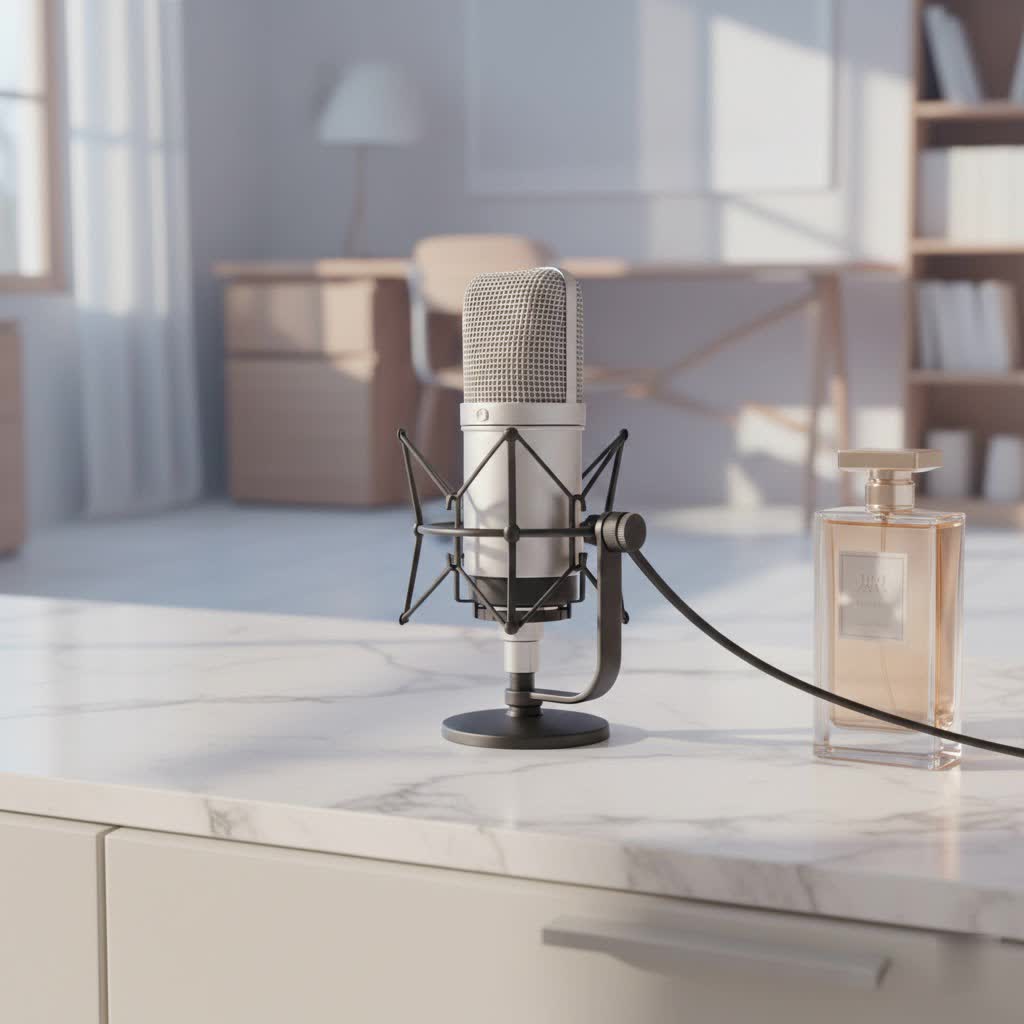
Choosing the right stand might seem like a minor detail, but it profoundly impacts your recording quality, workflow, and even the longevity of your valuable gear. From robust floor-standing models designed for heavy condenser mics to sleek desktop arms perfect for podcasts, the world of studio mic stands is diverse. Let’s dive deep into the types, features, and expert tips to help you find the perfect foundation for your sound.
Demystifying Studio Mic Stand Types: What’s What?
Just like microphones, studio mic stands come in various forms, each suited for different applications. Understanding these types is the first step toward finding the best studio mic stands for your specific needs.
Boom Stands (Tripod Boom Arms)
These are arguably the most ubiquitous microphone stands you’ll find in any recording environment, from professional studios to bedroom setups. A tripod boom stand features a stable three-legged base, a vertical pole, and an adjustable horizontal “boom” arm.
- Pros: Incredible versatility for mic placement, allowing you to position a microphone over instruments, in front of vocalists, or at various angles without encroaching on the performer’s space. They offer excellent reach and are generally quite stable when properly balanced.
- Cons: Can have a larger footprint, and cheaper models might suffer from sag or instability if the boom arm isn’t robust or the clutches aren’t strong.
- Use Cases: Ideal for miking drums, guitar cabs, overheads, acoustic instruments, and lead vocals where precise, off-axis placement is critical.
- Examples: The K&M 210/2 is a legendary workhorse, renowned for its bulletproof durability. For a balance of versatility and sturdiness, the Hercules MS533B offers a clever hideaway boom design, while the On-Stage MS7701B provides a reliable, budget-friendly option without compromising too much on stability. Higher-end models like the Ultimate Support MC-125 offer exceptional strength and adjustability.
|
Our Picks for the Best Studio Mic in 2026
As an Amazon Associate I earn from qualifying purchases.
|
||
| Num | Product | Action |
|---|---|---|
| 1 | USB Microphone, MAONO 192KHZ/24Bit Plug & Play PC Computer Podcast Condenser Cardioid Metal Mic Kit with Professional Sound Chipset for Recording, Gaming, Singing, YouTube (AU-A04) |

|
| 2 | Shure SM7B Vocal Dynamic Microphone – XLR Studio Mic for Podcasting, Recording, Broadcasting, Streaming & Gaming – Smooth, Warm Sound, Rugged Build, Detachable Windscreen, Wide Frequency Range, Black |
|
| 3 | Upgraded Studio Recording Microphone with Isolation Shield & Pop Filter - Music Condenser Mic for Podcasting, Singing, Home Studio - Sound for PC, Laptop, Smartphone |
|
| 4 | Condenser Microphone,PC Computer Podcast USB Condenser Microphone Cardioid Metal Mic Kit for Recording, Podcasting, Home Studio, YouTube, Black, BM-800 |
|
| 5 | Studio Recording Microphone Isolation Shield with Pop Filter and Metal Tripod Stand, Studio Mic to PC Laptop Smartphone, Music Microphone for Recording Singing Podcasting |
|
| 6 | RØDE NT1 Signature Series Large-Diaphragm Condenser Microphone with Shock Mount, Pop Filter and XLR Cable for Music Production, Vocal Recording, Streaming and Podcasting (Black) |
|
| 7 | AKG Pro Audio P120 - Affordable 2/3-Inch Diaphragm Condenser Microphone for Clear Vocals & Instruments. Studio Recording or Live. XLR Connector. Black |
|
| 8 | Shure SM4 Studio Recording Microphone Kit, XLR Home Studio Condenser Mic with Mix-Ready Audio - All-Metal Construction, Includes Detachable Magnetic Pop Filter & Shock Mount (SM4-K-KIT) |
|
| 9 | Audio-Technica AT2020 Cardioid Condenser Studio XLR Microphone, Ideal for Project/Home Studio Applications, Black |
|
| 10 | RØDE NT1 5th Generation Large-diaphragm Studio Condenser Microphone with XLR and USB Outputs, Shock Mount and Pop Filter for Music Production, Vocal Recording and Podcasting (Black) |
|
Desktop Boom Arms (Scissor Arm Stands)
Gaining immense popularity with the rise of podcasting, streaming, and home office setups, desktop boom arms clamp directly to your desk or table. They use articulated scissor-like joints and springs to provide flexible and quick microphone positioning.
- Pros: Space-efficient, keeping your desk clear. Highly adjustable for seated applications, allowing for quick repositioning. Many models offer integrated cable management.
- Cons: Limited to desk mounting, may not be suitable for heavy studio condenser mics without sufficient counterweight or a robust build. Desk vibrations can sometimes transfer to the mic.
- Use Cases: Perfect for podcasts, voiceovers, streaming, gaming, and any scenario where you need a microphone close to you while seated without a floor stand taking up space.
- Examples: The Rode PSA1 and its newer iteration, the PSA1+, are often considered the benchmark for desktop boom arms, known for their silent operation and smooth adjustments. The Samson MBA series offers a great budget-friendly alternative with solid performance, while the Elgato Wave Mic Arm LP provides a low-profile aesthetic.
Straight Stands (Round Base Stands)
As their name suggests, these stands consist of a heavy round base and a vertical pole. They don’t have a boom arm, meaning the microphone is positioned directly above the base.
- Pros: Very stable due to the heavy base, compact footprint compared to tripod booms. Excellent for standing vocalists or certain instrument miking where a boom isn’t necessary.
- Cons: Limited flexibility in mic placement; the mic must be positioned directly above the base.
- Use Cases: Best for vocalists who stand still, interviews, or as a secondary stand for specific instruments.
- Examples: The AtlasIED MS-10C is a classic, known for its robust construction and simple reliability. K&M also offers excellent round base options like the 26010, which are built to last.
Low-Profile Stands
These are short, often tripod-based or miniature round-base stands designed to position microphones very close to the floor.
- Pros: Essential for miking sources that sit on the ground, offering precise low-level placement.
- Cons: Limited height, obviously not suitable for elevated sources.
- Use Cases: Crucial for miking kick drums, guitar amplifiers, bass cabs, or any low-lying instrument.
- Examples: The K&M 25900 is a highly regarded low-profile stand, while the On-Stage MS9411TB+ is specifically designed for kick drums, featuring a telescoping boom arm for precise angles.
Picking Your Perfect Partner: Matching a Stand to Your Studio Needs
Choosing from the best studio mic stands isn’t just about picking a popular brand; it’s about making an informed decision based on your specific requirements.
What factors should I consider when buying a studio mic stand?
When selecting a studio mic stand, several critical factors come into play to ensure you get a reliable, long-lasting product that perfectly suits your workflow.
Stability and Build Quality
This is non-negotiable. A wobbly stand is a liability, risking your microphone and ruining your sound with unwanted vibrations. Look for stands made from heavy-gauge steel or high-quality aluminum. Heavy, solid bases (for straight stands) or sturdy, wide-spreading tripod legs (for boom stands) are key. Pay attention to the joints and clutches; they should be made of durable metal, not brittle plastic, to ensure they tighten securely and hold their position. As a seasoned engineer, I’ve seen countless sessions saved by a stand that simply stays put.
Adjustability and Reach
Consider the range of motion you need. How high does it need to go? How far does the boom arm need to extend? If you’re miking a drum kit, you’ll need extensive reach. For vocals, height adjustment is paramount. Look for smooth, silent height adjustments and boom arm extensions that lock firmly into place without slipping. Some boom arms also feature counterweights, which are incredibly helpful for balancing heavy condenser microphones and preventing sag.
Weight Capacity
This is often overlooked but incredibly important. Heavy microphones, especially large-diaphragm condensers or ribbon mics, require stands with a high weight capacity to prevent tipping or boom arm collapse. Check the manufacturer’s specifications for the maximum supported microphone weight. Don’t risk your expensive microphone on an under-specced stand.
Portability vs. Fixed Installation
Do you need to move your stands around frequently for different setups or live gigs, or will they stay in one place? If portability is key, look for stands that fold down compactly and are relatively lightweight. For fixed studio installations, heavier, more robust stands with caster wheels (like some professional overhead boom stands) can be advantageous for easy repositioning within the room.
Space Efficiency
In a home studio, space is often at a premium. Desktop boom arms are excellent for this, as they free up desk space. For floor stands, consider the footprint of the base. A round base might be better in a tight corner than a wide-spreading tripod, but a tripod often offers greater overall stability.
Thread Size Compatibility
Most professional microphones and shock mounts use a 5/8-inch thread. However, some older equipment or European-made stands might use a 3/8-inch thread. Most quality stands come with an adapter (often called a “reducer bushing”), but it’s always good to double-check to ensure your mic clips and shock mounts will fit.
“A truly reliable mic stand acts as an extension of your creative intention. It disappears into the background, allowing you to focus solely on the sound, not the struggle.” — Eleanor Vance, Chief Audio Strategist at Tmava.com
Mastering Mic Placement: Pro Techniques with Your Stand
Even the best studio mic stands require proper technique to get the most out of them. As an audio engineer, I’ve spent thousands of hours perfecting mic placement, and your stand is a crucial part of that process.
How can I ensure optimal mic placement and stability?
Achieving optimal mic placement and stability is a combination of choosing the right stand and employing smart setup techniques.
- Balancing with Counterweights: If your boom stand has a counterweight, use it! This prevents the boom arm from sagging, especially with heavier microphones, and greatly enhances overall stability, reducing the risk of tipping. If your stand doesn’t have one, consider adding a sandbag to the base for extra security, especially if your boom arm is extended far out.
- Cable Management Best Practices: Don’t let your mic cable dangle freely. Route it along the stand’s pole and boom arm, securing it with the included cable clips (if available) or Velcro ties. This prevents accidental snagging, reduces cable noise, and maintains a tidy, professional look in your studio. Plus, it prevents the cable’s weight from pulling on your mic.
- Minimizing Vibrations and Rumble: Even a sturdy stand can transmit vibrations from the floor or desk. Always use a shock mount with your microphone to isolate it from stand-borne noise. For floor stands, consider placing a small piece of dense foam or a rubber mat under the base to further decouple it from the floor, especially in rooms with wooden floors or nearby foot traffic.
- Proper Clutch and Lock Adjustment: Always ensure all clutches and locking mechanisms are tightened firmly, but don’t overtighten them, as this can strip threads or damage components over time. A firm, hand-tightened grip is usually sufficient to hold the mic securely in place. Regularly check these during a session, especially if you’re making frequent adjustments.
Longevity Secrets: Caring for Your Studio Mic Stand
Your studio mic stands are an investment, and like all good gear, they’ll serve you best with a little TLC. Proper care and maintenance will significantly extend their lifespan and ensure they perform flawlessly every time.
What are the best ways to maintain a studio mic stand?
Maintaining your studio mic stands doesn’t require complex procedures, but consistent attention will keep them in top working condition for years.
- Regular Cleaning: Dust and grime can accumulate in the clutches and joints, impeding smooth operation. Use a soft, dry cloth to wipe down the poles and bases regularly. For stubborn grime, a slightly damp cloth with a mild cleaner followed by a thorough drying can work wonders. Avoid harsh chemicals that might damage finishes.
- Checking All Joints and Screws: Periodically inspect all screws, bolts, and locking mechanisms. Ensure they are snug and not loose. If you notice any wobbling, it might be a loose screw that just needs tightening. This simple check can prevent bigger issues down the line.
- Proper Storage: When not in use, especially if they are portable, collapse your stands properly and store them in a clean, dry environment. Avoid leaving them in high-traffic areas where they might be tripped over or knocked down. If you have soft cases for your stands, use them to prevent scratches and dings during transport or storage.
- Lubrication (If Applicable): Some stands with moving parts, especially older or heavy-duty models, might benefit from a tiny amount of silicone-based lubricant on their internal mechanisms or threads. Be very sparing and avoid oil-based lubricants that can attract dust or damage plastic components. This can help maintain smooth height adjustments and boom arm movements.
Top Studio Mic Stands: Our Recommendations
Based on years of experience and countless hours in the studio, here are a few standouts among the best studio mic stands that we consistently recommend for their quality, versatility, and value:
- K&M 210/2 Tripod Microphone Stand with Boom Arm: The industry standard for a reason. Incredibly robust, stable, and built like a tank. It’s an investment that will pay dividends for decades.
- Rode PSA1+ Swivel Mount Studio Microphone Boom Arm: For podcasters, streamers, and voiceover artists, this desktop boom arm is hard to beat. Smooth, silent, and great cable management, offering unparalleled ease of use in a compact setup.
- Ultimate Support MC-125 Professional Studio Boom Arm: When you need serious heavy-duty performance, especially for overhead miking or very heavy microphones, the MC-125 delivers. Its adjustable counterweights and robust construction make it a powerhouse.
- Samson MK10 Lightweight Boom Mic Stand: An excellent choice for those on a budget or needing something more portable without sacrificing essential stability. It offers a fantastic balance of quality and affordability.
Frequently Asked Questions About Studio Mic Stands
Why is a good mic stand important for recording?
A good mic stand provides stable, vibration-free support for your microphone, ensuring consistent placement and preventing unwanted noise from being captured. It’s fundamental for achieving clear, professional-sounding recordings.
Can I use a live mic stand in my studio?
While you technically can, live mic stands are often designed for quick setup and breakdown, prioritizing portability over the absolute rigidity and quiet operation needed for critical studio recording. Studio-specific stands typically offer better stability, heavier bases, and finer adjustment mechanisms to avoid vibrations.
What’s the difference between a boom arm and a straight stand?
A straight stand has a vertical pole with no horizontal extension, positioning the mic directly above its base. A boom arm stand adds a horizontal arm that extends from the vertical pole, allowing for flexible off-axis microphone placement over instruments or performers without the base being directly underneath.
How much weight can a typical studio mic stand hold?
The weight capacity varies significantly by stand type and construction. Desktop boom arms might support 2-5 lbs (1-2.2 kg), while heavy-duty floor boom stands can typically hold 10-15 lbs (4.5-6.8 kg) or more, especially with proper counterweights. Always check the manufacturer’s specifications.
Are desktop boom arms stable enough for heavy mics?
Some higher-end desktop boom arms are designed for heavier microphones, but many standard models might struggle with very heavy condensers. Always verify the maximum weight capacity, and consider models with external springs or gas piston designs for better support.
How do I prevent mic stand wobble?
To prevent wobble, ensure all clutches and locking mechanisms are tightly secured, the stand’s base is fully extended (for tripods) or heavy enough (for round bases), and the boom arm is properly balanced, possibly with a counterweight. Using a shock mount also helps isolate the mic from any residual stand vibrations.
Conclusion
Choosing the best studio mic stands for your setup isn’t just an afterthought; it’s a foundational decision that impacts every aspect of your audio production. From ensuring the unwavering stability of your expensive microphones to enabling the precise placement that defines professional sound, a quality mic stand is an indispensable tool. Here at Tmava.com, we understand that every detail matters, and empowering you with the right knowledge is our mission. So, take the time to select stands that truly support your craft, literally and figuratively. Invest wisely, care for your gear, and watch your sound reach new heights. Happy recording!
