Yo, what’s up, fam! As a seasoned audio engineer with over a decade in the game, I’ve seen countless artists step into the booth, each with a unique voice and a story to tell. But here’s the secret sauce, the real talk: even the most powerful delivery can fall flat without the right Rap Studio Mic and the know-how to wield it. At Tmava.com, we’re all about empowering you to capture your true sound, making sure every word hits with precision and every vibe is felt.
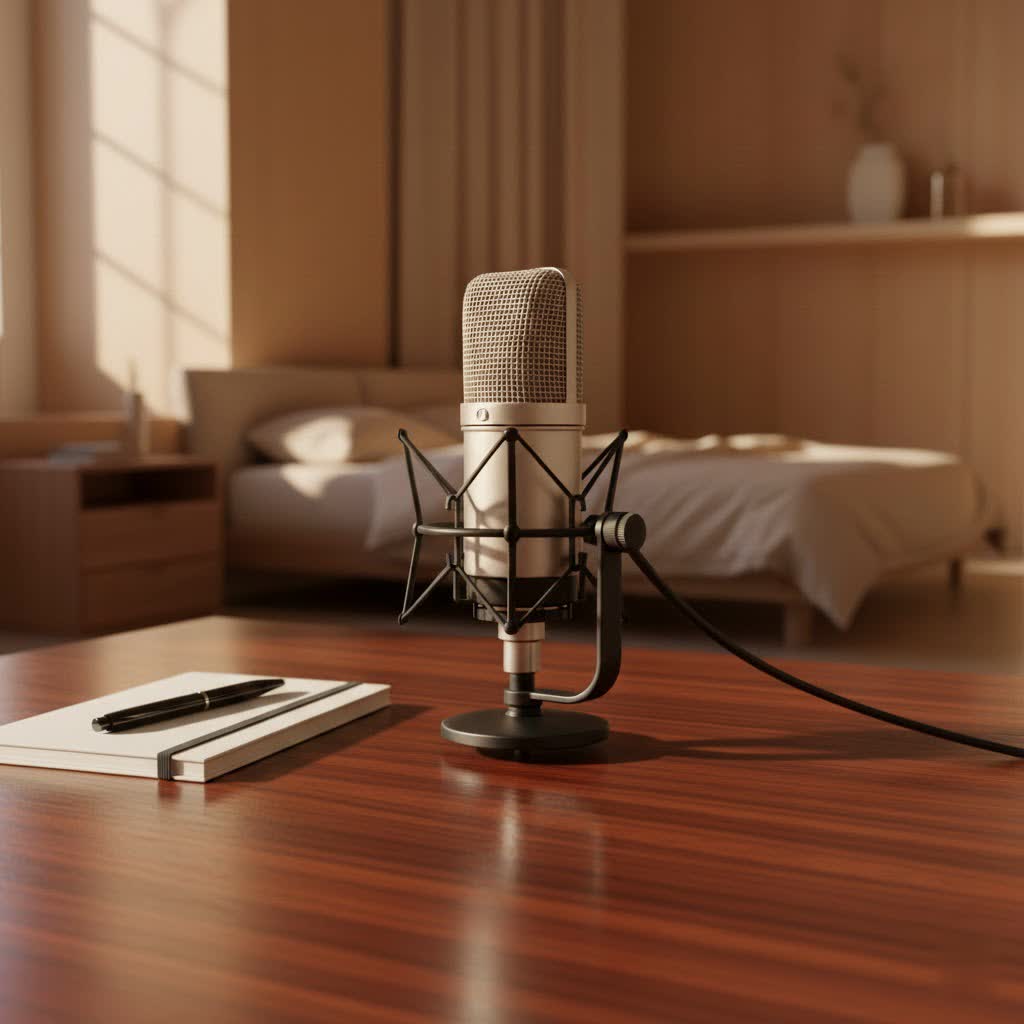
Finding that perfect microphone isn’t just about picking up any gear; it’s about finding the extension of your voice, the tool that translates your raw energy into a polished, studio-ready track. It’s about achieving that crisp clarity, that undeniable presence, and that punch that makes your rap vocals cut through any beat. Forget the guesswork; we’re diving deep into everything you need to know, from the types of microphones that make legends to the subtle tricks that elevate your recordings from good to legendary. So, let’s get into it and make sure your next track sounds exactly like you hear it in your head.
Unpacking the Best Rap Studio Mics for Your Sound
When it comes to capturing rap vocals, not all microphones are created equal. The right rap studio mic needs to handle intense dynamics, deliver pristine clarity, and capture every nuance of your flow. Let’s break down the common types you’ll encounter and why they might be the perfect fit for your sound.
Condenser Microphones: The Go-To for Detail
Condenser microphones are often considered the gold standard in professional studios, especially for rap vocals. Why? They’re incredibly sensitive, which means they pick up every subtle detail, every breath, and every inflection in your voice with breathtaking accuracy. This is crucial for rap, where vocal clarity and presence are paramount.
- Pros: Superior clarity, wide frequency response, excellent detail capture, rich vocal presence. They excel in capturing the “sparkle” and “air” in the high end.
- Cons: Highly sensitive, meaning they can pick up unwanted room noise if your recording space isn’t acoustically treated. They often require phantom power.
- Popular Choices: The Neumann U87 is an industry legend, often heard on countless hit records. The Rode NT1 is a fantastic, budget-friendly option known for its ultra-low self-noise, making it ideal for home studios. The Audio-Technica AT4050 and Neumann TLM 103 are also highly praised for their versatility and pristine sound.
|
Our Picks for the Best Studio Mic in 2026
As an Amazon Associate I earn from qualifying purchases.
|
||
| Num | Product | Action |
|---|---|---|
| 1 | AKG Pro Audio P120 - Affordable 2/3-Inch Diaphragm Condenser Microphone for Clear Vocals & Instruments. Studio Recording or Live. XLR Connector. Black |

|
| 2 | Audio-Technica AT2020 Cardioid Condenser Studio XLR Microphone, Ideal for Project/Home Studio Applications, Black |
|
| 3 | Shure SM7B Vocal Dynamic Microphone – XLR Studio Mic for Podcasting, Recording, Broadcasting, Streaming & Gaming – Smooth, Warm Sound, Rugged Build, Detachable Windscreen, Wide Frequency Range, Black |
|
| 4 | RØDE NT1 Signature Series Large-Diaphragm Condenser Microphone with Shock Mount, Pop Filter and XLR Cable for Music Production, Vocal Recording, Streaming and Podcasting (Black) |
|
| 5 | RØDE NT1 5th Generation Large-diaphragm Studio Condenser Microphone with XLR and USB Outputs, Shock Mount and Pop Filter for Music Production, Vocal Recording and Podcasting (Black) |
|
| 6 | USB Microphone, MAONO 192KHZ/24Bit Plug & Play PC Computer Podcast Condenser Cardioid Metal Mic Kit with Professional Sound Chipset for Recording, Gaming, Singing, YouTube (AU-A04) |
|
| 7 | Studio Recording Microphone Isolation Shield with Pop Filter and Metal Tripod Stand, Studio Mic to PC Laptop Smartphone, Music Microphone for Recording Singing Podcasting |
|
| 8 | Condenser Microphone,PC Computer Podcast USB Condenser Microphone Cardioid Metal Mic Kit for Recording, Podcasting, Home Studio, YouTube, Black, BM-800 |
|
| 9 | Upgraded Studio Recording Microphone with Isolation Shield & Pop Filter - Music Condenser Mic for Podcasting, Singing, Home Studio - Sound for PC, Laptop, Smartphone |
|
| 10 | Shure SM4 Studio Recording Microphone Kit, XLR Home Studio Condenser Mic with Mix-Ready Audio - All-Metal Construction, Includes Detachable Magnetic Pop Filter & Shock Mount (SM4-K-KIT) |
|
Dynamic Microphones: The Workhorse for Raw Energy
Dynamic microphones are the rugged, reliable workhorses of the audio world. While they might not capture the same microscopic detail as condensers, they truly shine in their ability to handle high sound pressure levels (SPLs) without distortion, making them perfect for aggressive vocal deliveries.
- Pros: Extremely durable, less sensitive to room noise (making them forgiving in untreated spaces), excellent at handling loud, energetic performances. They often provide a warm, smooth tone.
- Cons: Less detailed in the high frequencies compared to condensers.
- Popular Choices: The Shure SM7B is practically synonymous with rap vocals, used by legends like Eminem and Kendrick Lamar. Its robust build and excellent off-axis rejection make it a top choice for home studios and those with less-than-perfect acoustics. The Electro-Voice RE20 is another powerhouse, particularly favored for deeper voices and a radio-broadcast quality sound.
Ribbon Microphones: Vintage Warmth, Modern Punch
Ribbon microphones offer a unique, warm, and natural sound that can add a beautiful vintage character to rap vocals. They have a smooth high-frequency response and a rich low end, making them great for artists seeking a distinct sonic texture.
- Pros: Smooth, natural sound; excellent for taming harsh highs; unique warmth.
- Cons: More fragile than dynamic or condenser mics; often require a good preamp; typically have a lower output level.
- Application: While less common for lead rap vocals due to their delicate nature and lower output, they can be fantastic for backing vocals or adding a specific sonic character when carefully managed in a treated studio environment.
Tube Microphones: The Ultimate in Smoothness
Tube (valve) microphones are a type of condenser mic that uses a vacuum tube in its circuitry. This adds a subtle, pleasing harmonic distortion and warmth to the sound, often described as “smooth” or “creamy.” They are highly sought after for their rich, full-bodied sound.
- Pros: Warm, lush, and detailed sound; excellent for adding character and depth to vocals.
- Cons: Expensive, require careful maintenance, and can be sensitive to vibrations.
- Application: If you’re chasing that luxurious, classic studio sound and have the budget, a tube condenser can make your rap vocals sound incredibly polished and expensive.
“Choosing your rap studio mic is like choosing your weapon in the studio battlefield,” says Alex “The Sound Architect” Chen, Tmava’s lead audio specialist. “Each mic has its own superpower. The trick is matching that power to your vocal style and your recording environment. Don’t just follow the crowd; find what truly amplifies your voice.”
Mastering Professional Recording Techniques for Rap Vocals
Even the most expensive rap studio mic won’t deliver professional results without proper technique. Capturing powerful, clear rap vocals is an art that blends technical precision with artistic performance.
Optimal Mic Placement: Finding the Sweet Spot
Mic placement is arguably as important as the microphone itself. It drastically affects the tone and clarity of your vocals.
- Distance is Key: For a smooth, intimate vocal, try standing about 4-7 inches (10-18 cm) from the mic. This allows for a pleasing “proximity effect,” boosting lower frequencies for a fuller sound. If your delivery is more aggressive or fast-paced, move back to 9-15 inches (23-38 cm) to avoid overloading the mic and maintain clarity.
- Angle for Tone:
- Chest Voice (Bass): Angle the mic slightly downwards towards your chest to capture more of the deeper, resonant frequencies.
- Head Voice (Brightness): Angle the mic slightly upwards towards your nose/forehead area to bring out brighter, higher-frequency tones.
- Maintaining Consistency: Rappers often move with their performance. Encourage a stable stance, but also teach “mic technique” – subtly moving back when getting louder and closer when quieter to maintain consistent levels and avoid clipping. Practice this to ensure dynamic consistency without sounding erratic.
Setting Your Gain: Clean Signal Is King
Before you even start rapping, setting the proper input gain on your audio interface or preamp is critical.
- Aim for -10dB Peak: When you’re rehearsing your loudest lines, your signal should ideally peak around -10dB on your digital audio workstation (DAW) meters. This gives you plenty of headroom to prevent clipping (digital distortion), which is nearly impossible to fix later.
- Never Clip: A clipped signal sounds harsh and distorted. It’s always better to record a slightly quieter signal that you can boost later than a loud, clipped one.
The Essential Pop Filter and Shock Mount
These aren’t optional accessories; they’re vital tools for any rap studio mic setup.
- Pop Filter: This fabric or metal screen sits between you and the microphone. It’s your first line of defense against “plosives” (the harsh “p” and “b” sounds that cause bursts of air) and sibilance (sharp “s” sounds). Position it about 2-3 inches (5-8 cm) from the microphone capsule. It also acts as a visual guide to help maintain consistent distance.
- Shock Mount: This cradle holds your microphone using elastic bands, isolating it from vibrations that can travel up the mic stand (like foot stomps or desk bumps). This prevents unwanted low-end rumble in your recordings.
Taming the Room: Acoustic Treatment Basics
Your recording environment plays a massive role in your sound, sometimes even more than the microphone itself. An untreated room can introduce unwanted reflections, echo, and background noise.
- Absorption: Use acoustic panels, bass traps, heavy blankets, or even thick curtains to absorb sound reflections, especially at first reflection points (walls, ceiling, floor around the mic).
- Placement in Room: Try to record your vocals in the center of the quietest room you have, as far away from walls as possible. This minimizes immediate wall reflections. Avoid dead-center placement to prevent specific frequency buildups.
- Noise Reduction: Turn off air conditioners, fans, refrigerators, and any other noise-producing appliances. Use a quiet computer or place it in another room if possible.
Sculpting Your Sound: Audio Processing with Your Rap Studio Mic
Once you’ve captured stellar raw vocals with your rap studio mic, it’s time to sculpt them into a powerful, polished performance that commands attention in the mix. Audio processing is where your sound truly comes to life.
Essential Software and Plugins for Rap Vocals
Your Digital Audio Workstation (DAW) comes with stock plugins, which are often more than capable for professional results. Beyond that, many third-party plugins offer enhanced features and unique sonic flavors.
- DAW: Pro Tools, Logic Pro X, Ableton Live, FL Studio, Studio One, Cubase.
- Plugins: Equalizers (EQ), Compressors, De-essers, Noise Gates/Suppressors, Reverbs, Delays, Saturators.
EQing for Clarity and Impact
Equalization (EQ) is your tool for shaping the tonal balance of your rap vocals, making them clear and ensuring they sit perfectly in the beat.
- High-Pass Filter (HPF): Start by cutting everything below 90-100 Hz. This removes unwanted rumble, mic stand vibrations, and low-end mud that can make your vocals sound boomy and unclear, especially in a dense mix.
- Taming Mids: Rap vocals often have a lot of energy in the mid-range. Use subtractive EQ to identify and reduce harsh or boxy frequencies, typically in the 200-800 Hz range, that can make vocals sound unprofessional.
- Adding Presence and Air: Gently boost high frequencies (around 10-20 kHz) to add brightness, clarity, and “air” to your vocals, helping them cut through the mix. However, be cautious not to overdo it, as this can introduce harshness or sibilance.
- Context is King: Always EQ your vocals in the context of the full beat to ensure they sound balanced and prominent without fighting other instruments.
Compression: Taming Dynamics and Adding Punch
Compression is vital for rap vocals. It reduces the dynamic range, making the quiet parts louder and the loud parts quieter, resulting in a more consistent, “in-your-face” sound.
- Goals:
- Consistency: Keep your vocal level stable throughout the track.
- Punch: Make your rap vocals hit harder and feel more energetic.
- Density: Make the vocals sound thicker and more present.
- Settings (Starting Points):
- Ratio: 3:1 to 5:1 for a natural sound; higher ratios (e.g., 6:1 to 8:1) for more aggressive, in-your-face vocals.
- Attack: Medium to fast (10-30ms) to catch quick transients.
- Release: Medium (50-150ms), or tempo-synced, to allow the vocal to breathe naturally between phrases.
- Threshold: Set so the compressor is actively reducing gain during the loudest parts of the vocal, usually showing 3-6 dB of gain reduction.
De-essing and Noise Reduction: Cleaning Up Your Tracks
Even with a great rap studio mic and pop filter, sibilance (sharp “s” sounds) and background noise can sneak into your recordings.
- De-esser: This specialized compressor targets specific high frequencies where sibilance resides. Place it after your main compressor in the signal chain. Aim to reduce harsh “s” sounds without making the vocalist sound lisp-y.
- Noise Suppressor/Gate: Use a subtle noise gate to eliminate dead air noise between vocal phrases. For persistent background noise (like a computer fan), a noise suppressor plugin can help, but use it sparingly to avoid making vocals sound unnatural.
Adding Effects: Reverb, Delay, and Beyond
Effects like reverb and delay add space and depth, but for rap vocals, subtlety is often key.
- Reverb: Use short, tight reverb tails (under 500ms) to give your vocals a sense of space without washing them out. Often, a small amount of a plate or room reverb works well. Send your vocals to a reverb auxiliary track rather than inserting the plugin directly on the vocal track for more control.
- Delay: A subtle delay can add excitement and fill gaps. Tempo-synced delays (e.g., 1/8th or 1/16th notes) that are mixed low in the background can enhance the rhythm without cluttering the vocal.
- Saturation/Distortion: A touch of saturation can add harmonic richness and help your vocals feel thicker and more present.
- Chorus/Flanger: Generally avoided for lead rap vocals, but can be used creatively on ad-libs or background layers for unique effects.
“The magic happens when you understand that processing isn’t about fixing bad recordings, but enhancing great ones,” advises audio wizard Sarah Jenkins. “With rap vocals, it’s about making every word hit, every emotion resonate, and ensuring your voice is the star of the show. Don’t be afraid to experiment, but always trust your ears.”
Choosing Your Perfect Rap Studio Mic: A Personalized Guide
Selecting the ideal rap studio mic isn’t a one-size-fits-all situation. It’s a deeply personal choice that depends on several factors unique to you, your voice, and your recording setup.
Matching the Mic to Your Voice and Style
Your voice is your primary instrument, and different microphones will interact with it in distinct ways.
- Vocal Characteristics:
- Deep, Resonant Voices: Mics with a strong low-mid presence (like the Shure SM7B) can emphasize this.
- Brighter, Higher-Pitched Voices: Mics with an extended, smooth high-end (many condensers) can add clarity and sparkle.
- Aggressive, Punchy Delivery: Mics that can handle high SPLs and have a fast transient response are crucial to prevent distortion and capture impact. Dynamic mics or robust large-diaphragm condensers work well here.
- Smooth, Melodic Flows: Mics with a more balanced frequency response and an open top end can bring out the nuances.
- Rap Style:
- Trap/Aggressive: You’ll likely want a mic that captures transients quickly and has tight upper-mid control for that “in-your-face” sound.
- Boom Bap/Classic: A mic that offers warmth and a solid low-end can complement this style well.
- Melodic/R&B Influenced: A mic that handles both rapping and singing smoothly, with a balanced, airy top end, will be versatile.
- “Try Before You Buy”: If possible, test out different microphones. Go to a local music store or a studio and try recording with a few options. The “best” mic is the one that sounds best on your voice.
Considering Your Recording Environment
Your room has a profound impact on your recordings. Matching your mic to your space is critical.
- Treated Studio: If you’re fortunate enough to have an acoustically treated room, a sensitive large-diaphragm condenser will truly shine, capturing every detail without picking up unwanted reflections.
- Untreated Home Studio/Bedroom: In a less-than-perfect room, a dynamic microphone like the Shure SM7B or Electro-Voice RE20 is often a better choice. Their lower sensitivity and excellent off-axis rejection help minimize room ambience and background noise. Some newer “hybrid” mics (with both XLR and USB) also offer features that can be beneficial in less-than-ideal spaces.
Budget vs. Performance: What’s Realistic?
Microphones range from affordable entry-level options to five-figure professional tools.
- Entry-Level (Under $200): You can still get a very respectable sound. USB mics like the Blue Yeti X or budget condensers like the Audio-Technica AT2020 are great for starting. Dynamic stage mics like the Shure SM58 can even be adapted for studio use in a pinch.
- Mid-Range ($200-$1000): This is where you find incredible value. Mics like the Rode NT1 (5th Gen with its 32-bit float digital output, making clipping nearly impossible), AKG C214, Aston Origin, and of course, the Shure SM7B, offer professional-grade sound without breaking the bank.
- High-End ($1000+): Neumann U87, Neumann TLM 103, and high-quality tube condensers reside here. These are investments for dedicated professionals seeking the absolute best.
- Don’t Forget Accessories: Factor in the cost of a good pop filter, shock mount, quality XLR cable, and a sturdy mic stand. These are non-negotiable for clean recordings. And remember, a quality audio interface with a clean preamp is essential for any XLR microphone.
“The greatest mistake artists make is thinking more expensive automatically means better,” notes veteran producer Michael “Mixmaster” Jones. “For a rap studio mic, it’s about synergy – how the mic works with your voice, your room, and your budget. Start smart, and you can achieve incredible results.”
Protecting Your Investment: Maintenance and Care for Your Rap Studio Mic
Your rap studio mic is a precision instrument and a significant investment. Proper maintenance and care are essential to ensure its longevity, optimal performance, and consistent sound quality for years to come.
Daily Habits for Longevity
Small actions make a big difference in the lifespan of your microphone.
- Always Use a Pop Filter: This isn’t just for plosives; it also catches saliva and moisture that can degrade the mic capsule over time. A charged condenser capsule can attract these particles, leading to performance issues.
- Wipe Down After Use: Gently wipe the mic’s exterior with a soft, dry microfiber cloth after each session. This removes dust, fingerprints, and any residual moisture.
- Store Properly: When not in use, store your microphone in its protective case or cover it with a plastic bag (like an unsealed sandwich bag) if left on a stand. This shields it from airborne dust, humidity, and accidental bumps.
- Avoid Extreme Conditions: Keep your mic away from direct sunlight, extreme temperatures, and high humidity, which can damage internal components.
- Handle with Care: Always treat your microphone as a delicate tool. Avoid dropping it or subjecting it to harsh impacts.
Cleaning and Storage Best Practices
Regular, gentle cleaning goes beyond a quick wipe-down.
- Grille Cleaning: For dynamic and some condenser mics, you can often unscrew the grille. Use a soft brush (like a dry toothbrush) or a slightly damp cloth with mild soap (avoid harsh chemicals) to clean the grille. Ensure it’s completely dry before reattaching it. For condensers, avoid getting any moisture on the capsule itself.
- Cable Care: Microphone cables are the lifelines of your sound. Coil them properly when not in use to prevent kinks and internal damage. Avoid pulling them by the cable itself when disconnecting; always grasp the connector. Periodically check cables for signs of wear and tear, and replace them if damaged to prevent signal issues.
- Phantom Power Protocol (for Condensers): Always connect your condenser mic to your audio interface or preamp before engaging phantom power (+48V). Disengage phantom power before disconnecting the mic. This “hot plugging” can send a voltage spike that can damage the delicate capsule, especially in tube condensers.
- Shock Mount Integrity: Regularly check the elastic bands on your shock mount. If they become loose or stretched, replace them to ensure proper vibration isolation.
“Your microphone is your voice’s window to the world,” reminds Tmava’s own tech guru, Dr. Elena Petrova. “Treat it with respect, and it will serve you faithfully for years. A little care goes a long way in preserving the integrity and performance of your prized rap studio mic.”
Frequently Asked Questions About Rap Studio Mics
Q1: What’s the best type of mic for rap vocals?
A1: The “best” type really depends on your recording environment and vocal style. Condenser microphones (like the Neumann U87 or Rode NT1) are generally preferred for their clarity and detail in acoustically treated studios. Dynamic microphones (like the Shure SM7B) are excellent for untreated rooms due to their ability to reject background noise and handle aggressive vocals.
Q2: How do I prevent plosives and sibilance when recording rap?
A2: A pop filter is your essential tool for this. Place it 2-3 inches from the mic to diffuse air blasts from “p” and “b” sounds. For sibilance (harsh “s” sounds), proper mic technique (angling the mic slightly) and a de-esser plugin in your mixing stage are effective solutions.
Q3: Can I get a great rap vocal sound with a budget studio mic?
A3: Absolutely! Many affordable microphones, such as the Rode NT1, Audio-Technica AT2020, or even some advanced USB mics, can deliver excellent results, especially when paired with good recording techniques, a treated room, and smart audio processing. The right technique and environment often matter more than the mic’s price tag.
Q4: How important is acoustic treatment for rap vocal recording?
A4: Acoustic treatment is extremely important. It minimizes unwanted room reflections, echo, and background noise, which can make your vocals sound muddy or unprofessional. Even simple solutions like moving blankets or dedicated acoustic panels can drastically improve the quality of your rap vocal recordings, regardless of your rap studio mic.
Q5: What are the most common processing steps for rap vocals?
A5: Typically, the vocal chain involves: first, a high-pass filter (to remove low-end mud), followed by EQ (to sculpt tone and add clarity), compression (to even out dynamics and add punch), and a de-esser (to control sibilance). Reverb and delay are often added subtly on auxiliary tracks to create space without washing out the vocal.
Elevate Your Flow, Master Your Sound
Stepping into the world of professional rap vocal recording with the right rap studio mic is a game-changer. It’s not just about gear; it’s about understanding how that gear works with your unique voice, your environment, and your artistic vision. We’ve walked through the ins and outs, from choosing the perfect mic that resonates with your flow, to mastering those crucial recording techniques, and finally, sculpting your sound with expert audio processing.
Remember, every legendary track starts with a strong foundation. By investing in a quality rap studio mic, diligently practicing proper recording techniques, and taking the time to understand audio processing, you’re not just making music—you’re crafting your legacy. At Tmava, we believe that empowering artists like you with deep, practical knowledge is key to pushing the boundaries of sound. So, take these insights, head to the booth, and confidently lay down those tracks that truly reflect your artistry. Go forth and make some noise!
