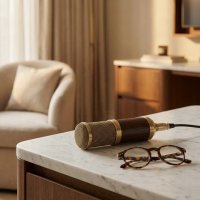
When it comes to capturing pristine audio, we often obsess over the microphone itself – the brand, the capsule, its sonic character. But here’s a secret from someone who’s spent over a decade behind the console: even the most exquisite studio mic is only as good as the studio mic stand holding it. It’s the unsung hero, the silent workhorse that provides the crucial foundation for your sound. Neglect it, and you risk everything from unwanted vibrations to a catastrophic mic crash. Let’s dive deep into why these essential pieces of gear deserve your full attention and how to choose, use, and maintain them like a seasoned pro.
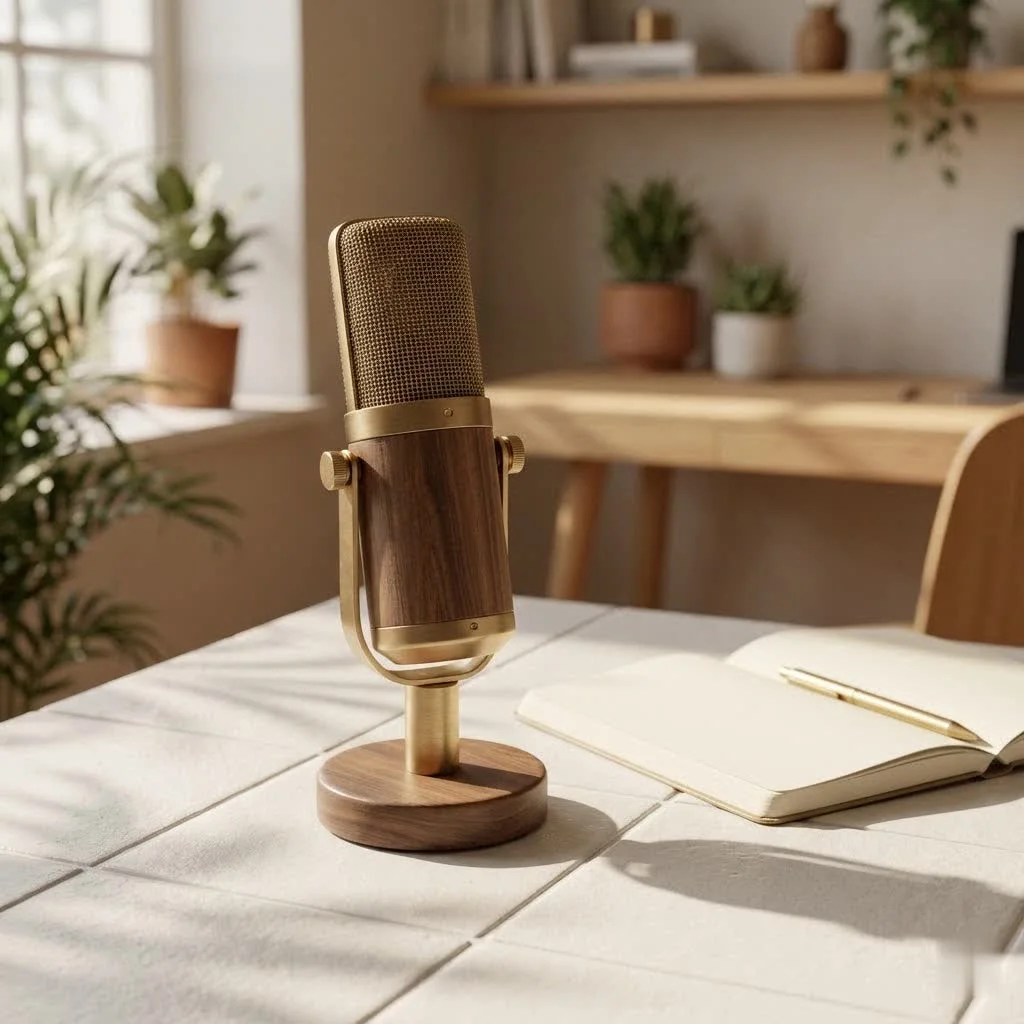
The Unseen Foundation: Why Your Studio Mic Stand Matters
Think of your microphone stand as the stable anchor for your audio capture. Its primary role is simple: hold your mic exactly where you need it, and keep it there, rock-solid, throughout the recording. But the importance of a good studio mic stand goes far beyond mere support. It directly impacts your sound quality by isolating the microphone from floor rumble and accidental bumps, ensuring only the intended audio source is captured. A wobbly, flimsy stand can introduce irritating resonances, shift position mid-take, or worse, send your prized condenser mic tumbling. As Evelyn Reed, acclaimed audio engineer and studio designer, once put it, “A cheap mic stand is a false economy. It’s not just about holding the mic; it’s about preserving your audio integrity and protecting your investment.” For expert home reviews on this site.
Types of Studio Mic Stands: Finding Your Perfect Match
Just like microphones, studio mic stands come in various forms, each designed for specific scenarios and purposes. Understanding these types is the first step to making an informed choice for your studio.
Tripod Boom Stands: The Versatile Workhorse
These are arguably the most common and versatile studio mic stands you’ll encounter. Featuring a collapsible tripod base and an adjustable boom arm, they offer excellent stability and reach.
- Pros: Highly adjustable for height and angle, good stability, often portable. The boom arm allows you to position a mic over instruments, far from the base, or above a vocalist without the stand getting in the way.
- Cons: Can take up more floor space than other types due when the legs are fully extended.
- Best For: Vocals, acoustic guitars, drum overheads, guitar amps, and general-purpose studio recording.
Round Base Stands: Stability in a Compact Footprint
With a heavy, flat, round base, these stands are champions of compact stability. They’re often favored in situations where floor space is at a premium or in live performance settings due to their sleek profile.
- Pros: Space-saving, very stable due to heavy base, less prone to being tripped over in a busy studio.
- Cons: Less versatile for positioning compared to boom stands as they lack the extended reach.
- Best For: Lead vocals, interviews, podcasts, or close-miking instruments where the mic needs to be directly above the base.
Desktop Mic Stands: For Your Home Office and Podcast Nook
|
Our Picks for the Best Studio Mic in 2026
As an Amazon Associate I earn from qualifying purchases.
|
||
| Num | Product | Action |
|---|---|---|
| 1 | Shure SM4 Studio Recording Microphone Kit, XLR Home Studio Condenser Mic with Mix-Ready Audio - All-Metal Construction, Includes Detachable Magnetic Pop Filter & Shock Mount (SM4-K-KIT) |

|
| 2 | AKG Pro Audio P120 - Affordable 2/3-Inch Diaphragm Condenser Microphone for Clear Vocals & Instruments. Studio Recording or Live. XLR Connector. Black |
|
| 3 | Upgraded Studio Recording Microphone with Isolation Shield & Pop Filter - Music Condenser Mic for Podcasting, Singing, Home Studio - Sound for PC, Laptop, Smartphone |
|
| 4 | Shure SM7B Vocal Dynamic Microphone – XLR Studio Mic for Podcasting, Recording, Broadcasting, Streaming & Gaming – Smooth, Warm Sound, Rugged Build, Detachable Windscreen, Wide Frequency Range, Black |
|
| 5 | RØDE NT1 Signature Series Large-Diaphragm Condenser Microphone with Shock Mount, Pop Filter and XLR Cable for Music Production, Vocal Recording, Streaming and Podcasting (Black) |
|
| 6 | Studio Recording Microphone Isolation Shield with Pop Filter and Metal Tripod Stand, Studio Mic to PC Laptop Smartphone, Music Microphone for Recording Singing Podcasting |
|
| 7 | Condenser Microphone,PC Computer Podcast USB Condenser Microphone Cardioid Metal Mic Kit for Recording, Podcasting, Home Studio, YouTube, Black, BM-800 |
|
| 8 | RØDE NT1 5th Generation Large-diaphragm Studio Condenser Microphone with XLR and USB Outputs, Shock Mount and Pop Filter for Music Production, Vocal Recording and Podcasting (Black) |
|
| 9 | USB Microphone, MAONO 192KHZ/24Bit Plug & Play PC Computer Podcast Condenser Cardioid Metal Mic Kit with Professional Sound Chipset for Recording, Gaming, Singing, YouTube (AU-A04) |
|
| 10 | Audio-Technica AT2020 Cardioid Condenser Studio XLR Microphone, Ideal for Project/Home Studio Applications, Black |
|
These smaller, often shorter studio mic stands are designed for use on flat surfaces. They can feature a compact tripod or a solid round base.
- Pros: Perfect for small spaces, convenient for podcasts, voiceovers, or interviews conducted at a desk, highly portable.
- Cons: Limited height and reach, not suitable for full-sized studio applications on the floor.
- Best For: Podcasting, streaming, desktop voiceovers, placing mics for small acoustic instruments on a table.
Heavy-Duty and Specialty Stands: When You Need Serious Support
For demanding applications, standard stands might not cut it. Heavy-duty stands feature thicker tubing, larger bases, and robust clutches to support heavy condenser mics or multiple microphones. Specialty stands include overhead drum stands with extra-long booms and counterweights, or low-profile stands for kick drums and guitar cabs.
- Pros: Unmatched stability and weight capacity, specialized functionality for unique recording tasks.
- Cons: Less portable, often more expensive, can take up considerable space.
- Best For: Large diaphragm condensers, ribbon mics, drum kits, orchestral recordings, broadcast studios.
Essential Features: What to Look for in a Quality Mic Stand
Choosing a studio mic stand isn’t just about picking a type; it’s about evaluating its features to ensure it meets your specific needs and provides lasting reliability.
Stability and Weight Capacity: No Wobbly Woes
This is non-negotiable. A good stand should feel solid, even when fully extended with a microphone attached. Look for a heavy base (for round base stands) or wide-spreading, sturdy legs (for tripod stands). Check the manufacturer’s specified weight capacity and make sure it comfortably exceeds the weight of your heaviest microphone and any accessories (like shock mounts or pop filters).
Adjustability and Reach: Precision is Key
Consider the maximum and minimum height the stand can achieve, and for boom stands, the length and adjustability of the boom arm. You need enough flexibility to position your mic precisely, whether it’s for a towering vocalist or a low-slung guitar amp. Good stands offer smooth, secure adjustments that lock firmly into place.
Build Quality and Materials: Durability for the Long Haul
Investing in a studio mic stand made from quality materials like steel or heavy-gauge aluminum ensures durability. Avoid flimsy plastic components where strength is needed. Pay attention to the joints and connections; they should be robust, not prone to stripping or bending. A well-built stand will withstand years of adjustments and studio life.
Clutch Mechanisms: Fast, Secure Adjustments
The clutch is what locks the stand’s height and boom arm position.
- Twist clutches are common and reliable, requiring you to twist a knob to loosen or tighten.
- Lever clutches offer quicker adjustments, often with a cam-lock system. Whichever type, ensure it’s easy to operate, holds securely without slipping, and feels durable.
Optimal Mic Stand Placement: Techniques for Pristine Recordings
Proper mic stand placement is an art form. It’s not just about getting the mic in front of the source, but about finding the “sweet spot” that captures the best tone and minimizes unwanted noise.
Vocals and Acoustic Instruments: Sweet Spot Finding
For vocals, position the mic stand so the mic is level with the singer’s mouth, typically 6-12 inches away. A boom arm is excellent here as it keeps the stand’s base out of the singer’s way. For acoustic guitars, experiment with placing the mic between the 12th fret and the soundhole, or even pointed at the bridge, usually 6-12 inches away. The stand’s adjustability is crucial for these nuanced positions.
Drum Overheads and Amps: Creative Positioning
When miking drum overheads, you’ll need tall, stable boom stands. Position them to capture a balanced stereo image of the kit. For guitar or bass amps, a shorter, sturdy stand (like a dedicated kick drum mic stand or a short boom stand) works wonders. Place the mic close to the speaker cone, experimenting with positions from the center (brighter) to the edge (warmer).
Cable Management: Keeping Things Tidy and Safe
Always use the cable clips often found on studio mic stands to secure your mic cable to the stand. This prevents accidental tugs from pulling the mic off the stand, reduces strain on the cable and connectors, and minimizes noise from cables brushing against the stand or floor. It also makes your studio safer and tidier.
Longevity and Care: Maintaining Your Studio Mic Stand
Your studio mic stand is an investment. A little care goes a long way in ensuring its stability and smooth operation for years.
Cleaning and Inspection: A Little Goes a Long Way
Regularly wipe down your stands to remove dust and grime. Periodically inspect all screws, bolts, and clutch mechanisms. Tighten anything that feels loose, but don’t overtighten to avoid stripping threads. Check the rubber feet on the base; replace them if they’re worn to ensure optimal grip and vibration isolation.
Proper Storage: Protecting Your Investment
When not in use, collapse your stands and store them neatly. Avoid leaving them extended in awkward positions where they could be knocked over. If you have limited space, consider wall-mounted hangers for boom arms or dedicated stand bags for transport and protection. This prevents bending or damage to crucial parts.
Choosing the Right Studio Mic Stand for Your Setup
Navigating the vast world of studio mic stands can feel daunting, but by considering a few key factors, you can confidently select the best option for your unique recording environment.
Consider Your Microphones: Weight and Size
This is paramount. If you primarily use lightweight dynamic mics, many standard stands will suffice. However, if you own heavy large-diaphragm condensers or vintage ribbon mics, you absolutely need a heavy-duty stand with a high weight capacity and a very stable base. A flimsy stand is a disaster waiting to happen for an expensive microphone.
Your Recording Environment: Space and Portability
Is your studio a sprawling professional space or a cozy home setup? For smaller rooms, round base stands or compact tripod booms might be ideal to save space. If you frequently move your gear for location recordings, lighter, more portable stands with quick-release mechanisms will be a blessing. For permanent installations, heavier, more robust studio boom arms might be perfect.
Budget vs. Quality: Striking the Right Balance
While it’s tempting to save money on something seemingly as mundane as a mic stand, remember that quality here directly impacts your audio and protects your valuable microphones. Aim for the best quality you can afford. A mid-range stand from a reputable brand will often provide excellent performance and durability without breaking the bank. Avoid extremely cheap options; they often suffer from poor stability, flimsy parts, and short lifespans.
Frequently Asked Questions About Studio Mic Stands
Q: What’s the main difference between a tripod and a round base mic stand?
A: The main difference lies in their base design. Tripod stands have three collapsible legs that spread out, offering excellent stability and portability, making them versatile for various positions. Round base stands feature a heavy, flat, circular base, providing compact stability, ideal for limited floor space or when a sleek profile is desired, though they offer less extended reach.
Q: How can I prevent my studio mic stand from tipping over?
A: To prevent tipping, ensure the legs of tripod stands are fully extended and positioned to counteract the mic’s weight, especially with a boom arm. For round base stands, use a sufficiently heavy base for your microphone. Always position the boom arm so the mic is directly over one of the tripod legs, or over the heaviest part of a round base, for maximum stability.
Q: Do I really need an expensive mic stand for a home studio?
A: While you don’t always need the most expensive option, investing in a good quality studio mic stand is highly recommended even for a home studio. Cheap stands often lack stability, introduce unwanted vibrations, or can fail catastrophically, risking your microphone. A sturdy, reliable stand is an essential investment for clean recordings and protecting your gear.
Q: Can I use any mic stand for any microphone?
A: Technically, most microphones will screw onto any standard mic stand thread. However, it’s crucial to match the stand’s weight capacity and stability to your microphone. Heavy condenser or ribbon mics require robust, heavy-duty stands, while lightweight dynamic mics are more forgiving. Using an inadequate stand for a heavy mic is a recipe for instability and potential damage.
Q: How do I quiet a squeaky mic stand?
A: Squeaky studio mic stands are often caused by metal-on-metal friction. To quiet them, carefully disassemble the problematic joint (like the clutch or boom pivot) and apply a small amount of silicone grease or a dry lubricant (like PTFE spray) to the contact points. Avoid WD-40, as it can attract dust and grime over time.
The Solid Foundation for Your Sonic Vision
Choosing the right studio mic stand might not be as glamorous as picking a new mic or preamp, but it’s an absolutely fundamental decision that impacts every aspect of your recording process. A robust, well-maintained stand provides the stability, precision, and isolation necessary for capturing professional-grade audio. It protects your valuable microphones and empowers you to position them perfectly, unlocking the full potential of your sound. So, take the time to evaluate your needs, invest wisely, and give your mic stands the respect they deserve. Your ears – and your expensive microphones – will thank you for it!
Get our weekly buyer guide
Practical specs, not advice. Unsubscribe anytime.