Walk into any professional recording studio, and you’re likely to see a collection of microphones, each with its own story and purpose. But among them, a “Gold Studio Mic” often stands out, not just for its striking appearance, but for the profound impact it has on capturing sound. As an audio engineer with over a decade in the trenches of music and broadcast, and a proud content creator for Tmava, I’m here to tell you that the allure of gold in a studio microphone goes far deeper than mere aesthetics. It’s a blend of cutting-edge engineering, acoustic precision, and a touch of undeniable prestige that defines a true gold studio mic.
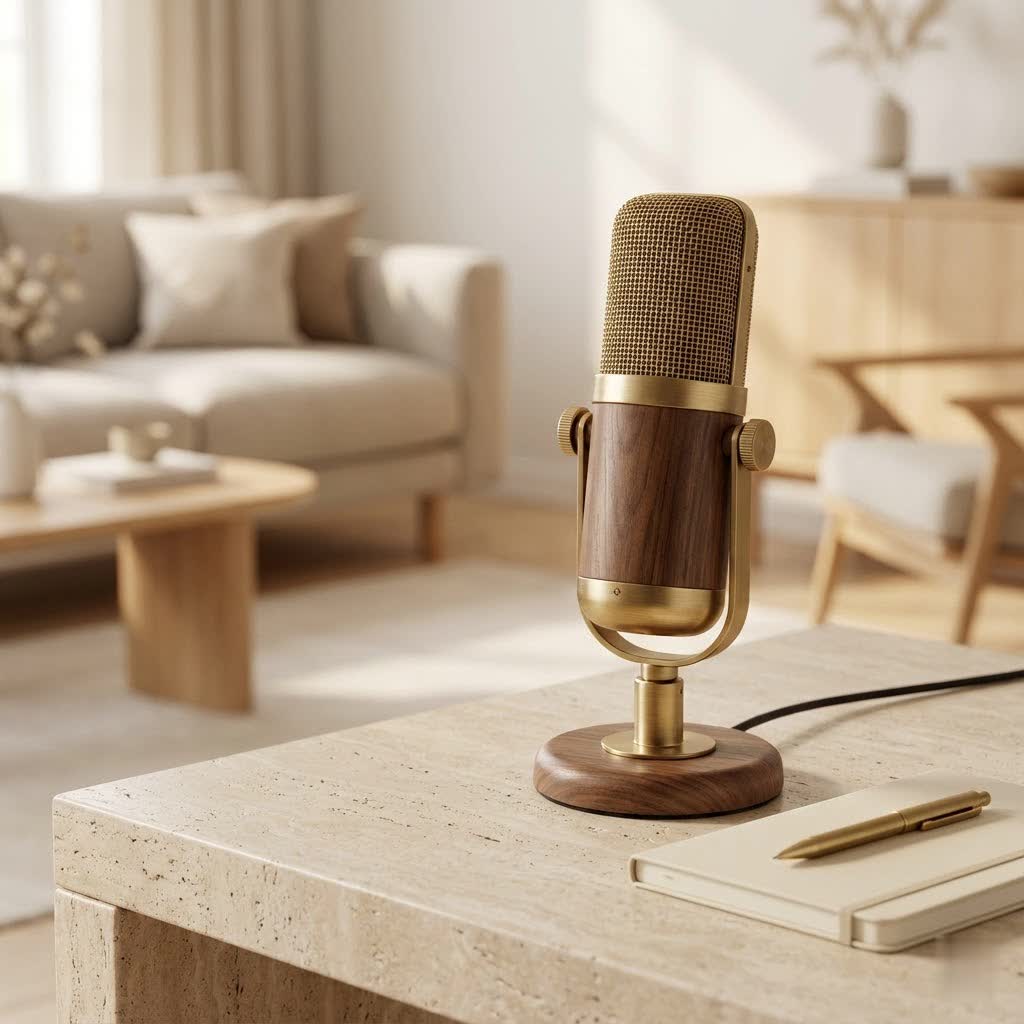
Whether it’s the shimmering capsule of a high-end condenser or the opulent casing of a custom-plated dynamic, gold plays a fascinating role. It’s a material that has shaped how we record, from the delicate nuances of a whispered vocal to the grand expanse of an orchestral performance. Let’s peel back the layers and discover why these golden marvels are often considered the crown jewels of any serious recording setup.
The Science Behind the Gleam: Why Gold in Studio Microphones?
When we talk about a “gold studio mic,” we’re often referring to more than just the color of its exterior. The true magic of gold lies within its fundamental properties, especially in critical components like microphone diaphragms. This isn’t just about making things look fancy; it’s about making them sound incredible.
Gold-Sputtered Diaphragms: The Heart of Condensers
The vast majority of high-quality condenser microphones feature a diaphragm that is “gold-sputtered.” This isn’t a solid gold component, but rather a microscopically thin layer of gold (sometimes just a few hundred atoms thick) deposited onto a lightweight, non-conductive material like Mylar. Why go through such a precise process? The answer lies in physics and pristine audio capture.
- Electrical Conductivity: Condenser microphones operate on the principle of a capacitor, where the diaphragm vibrates in response to sound waves, changing the distance between it and a fixed backplate. This movement generates a tiny electrical signal that needs to be transmitted efficiently. Gold is an exceptional electrical conductor, arguably the best among metals used in microphones, ensuring that every minute vibration is accurately converted into an electrical impulse with minimal loss or interference.
- Corrosion Resistance & Durability: Microphones are exposed to varying humidity, temperature, and even moisture from breath. Unlike other conductive metals like silver or copper, gold is remarkably inert. It doesn’t oxidize, rust, or tarnish. This corrosion resistance is vital for maintaining consistent performance over the microphone’s lifespan, preventing degradation of the diaphragm that could otherwise lead to compromised sound quality or complete failure.
- Flexibility and Sensitivity: The diaphragm needs to be incredibly thin and flexible to respond to the subtlest sound pressure changes. Gold can be applied in such fine layers without significantly adding mass or stiffness to the Mylar, allowing for a diaphragm that is highly sensitive and agile. This combination ensures a wider, flatter frequency response and superior transient capture, translating to incredibly detailed and accurate audio reproduction.
|
Our Picks for the Best Studio Mic in 2026
As an Amazon Associate I earn from qualifying purchases.
|
||
| Num | Product | Action |
|---|---|---|
| 1 | AKG Pro Audio P120 - Affordable 2/3-Inch Diaphragm Condenser Microphone for Clear Vocals & Instruments. Studio Recording or Live. XLR Connector. Black |

|
| 2 | USB Microphone, MAONO 192KHZ/24Bit Plug & Play PC Computer Podcast Condenser Cardioid Metal Mic Kit with Professional Sound Chipset for Recording, Gaming, Singing, YouTube (AU-A04) |
|
| 3 | Shure SM4 Studio Recording Microphone Kit, XLR Home Studio Condenser Mic with Mix-Ready Audio - All-Metal Construction, Includes Detachable Magnetic Pop Filter & Shock Mount (SM4-K-KIT) |
|
| 4 | Shure SM7B Vocal Dynamic Microphone – XLR Studio Mic for Podcasting, Recording, Broadcasting, Streaming & Gaming – Smooth, Warm Sound, Rugged Build, Detachable Windscreen, Wide Frequency Range, Black |
|
| 5 | RØDE NT1 Signature Series Large-Diaphragm Condenser Microphone with Shock Mount, Pop Filter and XLR Cable for Music Production, Vocal Recording, Streaming and Podcasting (Black) |
|
| 6 | RØDE NT1 5th Generation Large-diaphragm Studio Condenser Microphone with XLR and USB Outputs, Shock Mount and Pop Filter for Music Production, Vocal Recording and Podcasting (Black) |
|
| 7 | Condenser Microphone,PC Computer Podcast USB Condenser Microphone Cardioid Metal Mic Kit for Recording, Podcasting, Home Studio, YouTube, Black, BM-800 |
|
| 8 | Audio-Technica AT2020 Cardioid Condenser Studio XLR Microphone, Ideal for Project/Home Studio Applications, Black |
|
| 9 | Studio Recording Microphone Isolation Shield with Pop Filter and Metal Tripod Stand, Studio Mic to PC Laptop Smartphone, Music Microphone for Recording Singing Podcasting |
|
| 10 | Upgraded Studio Recording Microphone with Isolation Shield & Pop Filter - Music Condenser Mic for Podcasting, Singing, Home Studio - Sound for PC, Laptop, Smartphone |
|
As famed audio engineer Dr. Evelyn Reed often says, “The golden diaphragm isn’t just a component; it’s the sonic fingerprint that ensures every breath, every string, every nuance is captured with unwavering fidelity.”
A Touch of History: Gold in Ribbon Microphones
While gold-sputtering is synonymous with modern condensers, gold’s journey in microphones began much earlier. In the 1920s, during the revolution of ribbon microphones, engineers experimented with gold leaf for the delicate, corrugated ribbon element. Its lightweight nature and excellent responsiveness contributed to the warm, natural, and highly sought-after sound that ribbon microphones are still cherished for today. It’s a testament to gold’s enduring value in audio engineering.
Types of Gold Studio Microphones
The term “gold studio mic” can refer to a few different categories, each bringing its unique strengths to your recording setup.
Condenser Microphones: The Gold Standard for Detail
Most often, when you hear “gold studio mic,” people are envisioning a high-end condenser. These microphones are celebrated for their incredible sensitivity, wide frequency response, and ability to capture intricate details. They are the workhorses for vocals, acoustic guitars, drum overheads, and a myriad of other studio applications where clarity and precision are paramount. The internal gold-sputtered diaphragm is the unsung hero, ensuring the purity of the captured sound. Brands like Neumann, AKG, and many others rely on this technology for their flagship models, making them true gold standards in the industry.
Dynamic & Ribbon Microphones: When Aesthetics Meet Artistry
While internal gold components are less critical for most dynamic microphones, and ribbon mics have evolved, you’ll also find “gold studio mics” that are externally plated in 24K gold. These are often iconic dynamic models, like the Shure SM58 or SM7B, or even high-quality ribbon microphones, transformed into luxurious, statement pieces. Artists often choose these not just for their legendary sound performance but also for the visual impact and prestige they convey, both on stage and in high-profile studio sessions. Performance doesn’t suffer; rather, the robust build quality of the original microphone is often enhanced with the corrosion protection of pure gold plating.
Mastering Your Craft: Professional Recording Techniques with Your Gold Studio Mic
Possessing a high-quality gold studio mic is just the first step. To truly unlock its potential, mastering professional recording techniques is essential.
Placement Perfection: Finding the Sweet Spot
Where you position your microphone makes all the difference. For vocals, experiment with distances from 6 to 12 inches, aiming for the sweet spot where the voice sounds full without excessive proximity effect. For acoustic instruments, try placing the mic at different angles and distances from the soundboard or soundhole to capture the instrument’s unique resonance. Always use your ears! A slight adjustment can dramatically alter the captured tone.
Taming Transients: Using Pop Filters and Pads
Pop filters are your best friends for vocal recordings. These screens act as a barrier, preventing harsh “p” and “b” plosive sounds from overloading the capsule and protecting it from moisture and saliva, which can degrade the diaphragm over time. Additionally, many gold studio mics, especially condensers, come equipped with a pad switch (typically -10dB). This attenuates the input signal, allowing the microphone to handle very loud sound sources, like a screaming vocalist or a blaring guitar amp, without distorting the preamplifier.
Understanding Polar Patterns: Shaping Your Sound
Most studio microphones, particularly condensers, offer various polar patterns:
- Cardioid: Picks up sound primarily from the front, rejecting sound from the sides and rear. Ideal for isolating a vocalist or instrument.
- Omnidirectional: Captures sound equally from all directions. Great for recording room ambiance, choirs, or acoustic ensembles.
- Figure-8: Picks up sound from the front and rear equally, rejecting sound from the sides. Perfect for duets, capturing room reflections, or certain M/S stereo techniques.
Choosing the right pattern allows you to sculpt your sound before it even hits the recording interface, giving you maximum control.
Sculpting Sound: Audio Processing for Your Gold Studio Mic
Even the best-recorded audio benefits from careful processing. With a gold studio mic capturing such a clean and detailed signal, your processing choices become even more impactful.
Essential Tools: EQ, Compression, and Noise Reduction
- EQ (Equalization): Use EQ to refine the tonal balance of your recording. Boost frequencies where the sound needs more presence or warmth, and cut frequencies that sound harsh or muddy. Remember, subtractive EQ (cutting) often yields more natural results than additive EQ (boosting).
- Compression: Compression helps to control the dynamic range, making loud parts quieter and quiet parts louder, resulting in a more consistent and “glued” sound. Apply it judiciously to make vocals sit better in a mix or to give instruments more punch without squashing the life out out of them.
- Noise Reduction: While a good gold studio mic inherently has low self-noise, external environmental noise can still creep in. High-quality noise reduction plugins can help clean up hums, hisses, or subtle room noises, but always use them sparingly to avoid degrading the natural sound.
Protecting Your Signal: Low-Cut Filters and Gain Staging
Many gold studio mics include a built-in low-cut filter (also known as a high-pass filter). This useful feature rolls off low frequencies, effectively removing unwanted rumble, foot traffic, or air conditioning noise before it even enters your recording chain. Engaging this filter at the microphone stage is often more effective than trying to fix it later.
Proper gain staging is critical. Ensure your microphone’s output level matches the input sensitivity of your preamp, avoiding clipping (distortion) on one end and overly low levels that introduce noise on the other. A clean signal path from mic to interface is fundamental to achieving professional results.
Choosing Your Golden Companion: Selecting the Right Studio Mic
Selecting a “gold studio mic” isn’t just about picking the flashiest option; it’s about making an informed decision that aligns with your musical goals and budget.
Voice, Instrument, and Genre: Tailoring Your Choice
- Vocals: For most lead vocals, a large-diaphragm condenser with a gold-sputtered capsule is often the go-to. Its sensitivity and detailed response capture every nuance of the human voice. Consider how your voice interacts with different mic characteristics – some voices shine on warmer mics, while others benefit from brighter ones.
- Acoustic Instruments: Small-diaphragm condensers are excellent for acoustic guitars, strings, and percussion, offering precise transient response and accurate stereo imaging when used in pairs. Large-diaphragm condensers can also provide a fuller sound for certain acoustic sources.
- Genre: While a versatile gold studio mic can handle many tasks, genre can influence choice. For crisp pop vocals, a modern, bright condenser might be preferred. For a rich, vintage rock sound, a warmer condenser or even a gold-plated ribbon mic could be the ideal choice.
Performance vs. Prestige: What Matters Most to You?
Decide if the functional benefits of gold (like a gold-sputtered diaphragm) are your primary concern, or if the luxury aesthetic of a 24K gold-plated microphone is also a significant factor. Thankfully, with many premium manufacturers, you don’t have to compromise. Many outwardly stunning gold-plated mics are built upon the foundation of world-class, technically superior microphone designs.
Polishing Your Investment: Maintenance and Care for Your Gold Studio Mic
A gold studio mic is an investment, both financially and in your craft. Proper maintenance ensures its longevity and keeps it performing at its peak for years to come.
Keep it Clean, Keep it Pristine
Regular cleaning is crucial. Use a soft, dry microfiber cloth to wipe down the microphone body after each session, removing fingerprints and dust. For the grille, especially on vocal mics, unscrew it if possible and gently clean it with a mild soap solution and a soft brush. For fixed grilles, hold the mic upside down and gently scrub to prevent moisture from entering the capsule. Alcohol wipes can be used for sanitization, but avoid direct contact with the capsule itself, especially for condensers.
Storage Solutions: Guarding Against the Elements
When not in use, always store your gold studio mic in its original protective case or a clean, sealed plastic bag. This shields it from dust, airborne particles, and potential physical damage. Dust and moisture are the enemies of microphone capsules, particularly for sensitive condensers. Keep your mics away from extreme temperatures and humidity, which can accelerate wear and affect performance. Silica gel packs in cases can also help absorb excess moisture.
Handling with Care: Longevity Through Best Practices
- Pop Filters: Always use a pop filter for vocalists. This not only improves sound but also protects the capsule from corrosive saliva.
- Cable Management: Avoid yanking or twisting microphone cables. Coil them properly after use and inspect them regularly for wear and tear. A damaged cable can introduce noise or intermittent signals.
- Phantom Power: For tube condenser mics, always connect the cable from the power supply to the microphone before turning on the phantom power. “Hot-plugging” a tube mic can cause voltage shocks that damage the sensitive internal components.
- Avoid Drops: Microphones, especially condensers, are delicate instruments. Treat them with the respect they deserve and avoid drops or harsh impacts.
Frequently Asked Questions About Gold Studio Mics
Q1: Is a gold studio mic purely for aesthetics?
No, while some gold studio mics are chosen for their aesthetic appeal and luxury plating, the term often refers to microphones with gold-sputtered diaphragms, a critical technical feature that enhances electrical conductivity and corrosion resistance for superior sound quality.
Q2: Do all high-end condenser mics use gold?
The vast majority of high-quality condenser microphones utilize gold-sputtered diaphragms. This process is considered an industry standard due to gold’s unique properties that ensure optimal performance and longevity for the microphone capsule.
Q3: How does gold sputtering affect the sound?
Gold sputtering enhances electrical conductivity and provides corrosion resistance, which is essential for the diaphragm to accurately convert sound waves into electrical signals without degradation over time. This contributes to a clean, detailed, and consistent sound capture with excellent transient response.
Q4: Can I use a gold-plated dynamic mic for vocals?
Absolutely! Many gold-plated dynamic microphones, such as customized Shure SM58s, are based on legendary designs known for their robust vocal performance. The gold plating primarily offers aesthetic appeal and additional corrosion protection without compromising the microphone’s inherent sound quality.
Q5: What’s the best way to clean a gold studio mic?
For the microphone body, use a soft, dry microfiber cloth. For grilles, if removable, clean with a mild soap solution and soft brush. If not, hold the mic upside down and gently scrub. Use pop filters during vocal sessions to protect the capsule from moisture and always store your mic in a protective case or bag to prevent dust and humidity buildup.
Conclusion
The “gold studio mic” stands as a testament to the pursuit of sonic excellence, blending the rich history of audio innovation with modern engineering marvels. From the intricate gold-sputtered diaphragm that silently works to capture every breath and strum, to the dazzling 24K gold plating that transforms a functional tool into a work of art, gold plays a distinctive role.
As your trusted source for professional audio insights at Tmava.com, I can confidently say that understanding and embracing the capabilities of a gold studio mic can truly elevate your recordings. It’s about more than just owning a piece of equipment; it’s about investing in a tool that, with proper care and technique, will consistently deliver unparalleled clarity, warmth, and detail to your sonic creations. So, go forth, explore the golden possibilities, and let your studio shine, both in sound and sophistication!
