Ever dreamt of capturing that pristine vocal take, the one that truly makes a song soar? As a seasoned audio engineer with over a decade in the trenches of music and broadcast, I can tell you that the journey to professional-grade vocals often starts with one crucial piece of gear: the Best Studio Vocal Mic. It’s more than just a tool; it’s an extension of the singer’s voice, translating raw emotion and intricate detail into recorded sound. Here at Tmava.com, we’re dedicated to demystifying the world of studio microphones, helping you navigate the complex choices with clear, actionable insights. Get ready to unlock the secrets to selecting, using, and maintaining the microphone that will elevate your vocal recordings from good to absolutely unforgettable.
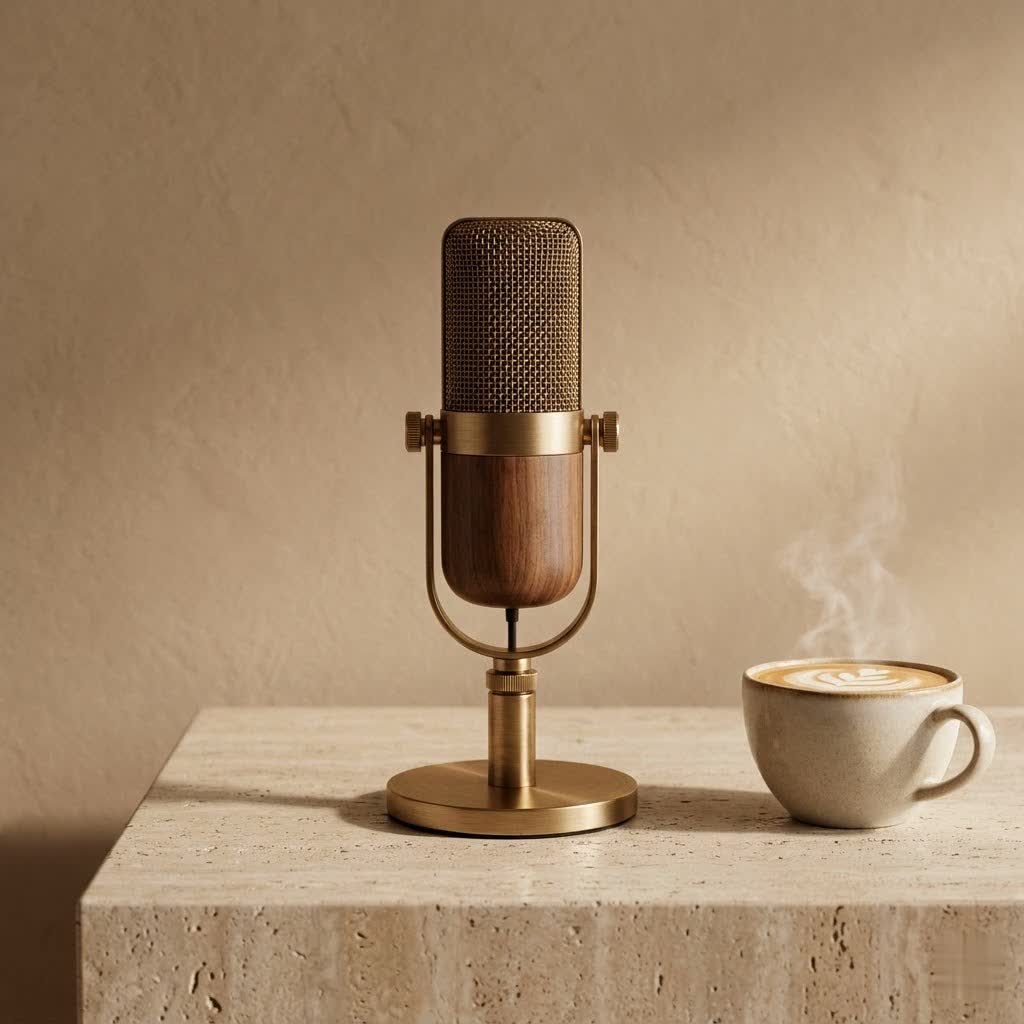
Unveiling the Stars: Popular Studio Vocal Mic Types
When you step into the world of recording, you’ll quickly discover that not all microphones are created equal. Each type has its own personality, responding to sound in unique ways that can drastically shape your vocal recording. Understanding these differences is the first step toward finding the best studio vocal mic for your needs.
Condenser Microphones: Capturing Every Nuance
Think of condenser microphones as the highly sensitive artists of the mic world. They require external power (often “phantom power” from your audio interface or mixer) and boast a lightweight diaphragm that can vibrate with the slightest sound waves. This sensitivity makes them exceptional at capturing intricate details and a wide frequency range, from the lowest rumble to the highest shimmer.
- Large-Diaphragm Condensers: These are the most common choice for studio vocals. Their larger surface area captures more air movement, resulting in a full, warm, and rich sound that complements a wide variety of voices. Iconic models like the Neumann U87 or TLM 103 are studio staples for a reason, offering unparalleled clarity and depth. For those on a tighter budget, the Audio-Technica AT2020 or Rode NT1 are fantastic entry points, delivering impressive quality without breaking the bank.
- Small-Diaphragm Condensers: While less common for lead vocals, these mics are incredibly accurate and have a fast transient response. They excel at capturing acoustic instruments or backing vocals where precision and a natural, uncolored sound are paramount.
- Tube Condensers: These special condensers incorporate a vacuum tube in their circuitry, imparting a distinct warmth, harmonic richness, and a “larger than life” quality to vocals. They often come with their own dedicated power supplies and are prized for adding a vintage, luxurious feel to recordings.
|
Our Picks for the Best Studio Mic in 2026
As an Amazon Associate I earn from qualifying purchases.
|
||
| Num | Product | Action |
|---|---|---|
| 1 | RØDE NT1 Signature Series Large-Diaphragm Condenser Microphone with Shock Mount, Pop Filter and XLR Cable for Music Production, Vocal Recording, Streaming and Podcasting (Black) |

|
| 2 | Audio-Technica AT2020 Cardioid Condenser Studio XLR Microphone, Ideal for Project/Home Studio Applications, Black |
|
| 3 | Shure SM4 Studio Recording Microphone Kit, XLR Home Studio Condenser Mic with Mix-Ready Audio - All-Metal Construction, Includes Detachable Magnetic Pop Filter & Shock Mount (SM4-K-KIT) |
|
| 4 | Studio Recording Microphone Isolation Shield with Pop Filter and Metal Tripod Stand, Studio Mic to PC Laptop Smartphone, Music Microphone for Recording Singing Podcasting |
|
| 5 | AKG Pro Audio P120 - Affordable 2/3-Inch Diaphragm Condenser Microphone for Clear Vocals & Instruments. Studio Recording or Live. XLR Connector. Black |
|
| 6 | Shure SM7B Vocal Dynamic Microphone – XLR Studio Mic for Podcasting, Recording, Broadcasting, Streaming & Gaming – Smooth, Warm Sound, Rugged Build, Detachable Windscreen, Wide Frequency Range, Black |
|
| 7 | Condenser Microphone,PC Computer Podcast USB Condenser Microphone Cardioid Metal Mic Kit for Recording, Podcasting, Home Studio, YouTube, Black, BM-800 |
|
| 8 | RØDE NT1 5th Generation Large-diaphragm Studio Condenser Microphone with XLR and USB Outputs, Shock Mount and Pop Filter for Music Production, Vocal Recording and Podcasting (Black) |
|
| 9 | Upgraded Studio Recording Microphone with Isolation Shield & Pop Filter - Music Condenser Mic for Podcasting, Singing, Home Studio - Sound for PC, Laptop, Smartphone |
|
| 10 | USB Microphone, MAONO 192KHZ/24Bit Plug & Play PC Computer Podcast Condenser Cardioid Metal Mic Kit with Professional Sound Chipset for Recording, Gaming, Singing, YouTube (AU-A04) |
|
Dynamic Microphones: The Robust Workhorses
If condensers are the delicate artists, dynamic microphones are the rugged workhorses. They use a simpler design, with a coil of wire attached to a diaphragm moving within a magnetic field. This construction makes them incredibly durable, able to withstand high sound pressure levels (SPLs) without distortion, and generally more resistant to handling noise and room acoustics.
Dynamic mics tend to have a less detailed high-frequency response than condensers but offer a focused, punchy sound, especially in the mid-range. The Shure SM7B is a legendary dynamic mic, famously used on countless hit records, celebrated for its smooth, broadcast-quality vocal tone that handles aggressive singing with grace. Another classic, the Electro-Voice RE20, is a favorite for its ability to minimize the proximity effect, allowing singers to get close without excessive bass build-up. These are excellent choices if your recording environment isn’t perfectly treated or if the vocalist has a powerful delivery.
Ribbon Microphones: Warmth and Vintage Character
Ribbon microphones are perhaps the most unique of the bunch. They use a thin, corrugated metal ribbon suspended in a magnetic field. Known for their incredibly smooth, warm, and natural sound, they often have a figure-8 polar pattern, picking up sound equally from the front and back while rejecting sounds from the sides. Ribbon mics excel at taming harsh high frequencies and can add a beautiful, vintage character to vocals. However, they are more delicate than dynamic or even most condenser mics and require careful handling. They also typically have a lower output, often necessitating a high-quality, high-gain preamp.
Mastering Vocal Recording Techniques: Your Path to Pristine Sound
Having the best studio vocal mic is only half the battle; knowing how to use it effectively is where the real magic happens. Even the most expensive microphone can sound subpar if not paired with proper recording techniques.
The Art of Mic Placement: Finding Your Vocal Sweet Spot
Microphone placement is a nuanced art. A small adjustment can dramatically alter the tone, presence, and overall feel of your vocal. A common starting point is to place the microphone about 6 to 12 inches (15-30 cm) from the singer’s mouth. Moving closer will emphasize bass frequencies due to the “proximity effect” (especially with cardioid and supercardioid mics), creating a more intimate, warmer sound. Moving further away introduces more room sound and a more natural, balanced tone.
Experiment with angling the mic slightly off-axis (not directly pointed at the mouth) to help minimize plosives (harsh “p” and “b” sounds) and sibilance (sharp “s” sounds). For instance, pointing the mic towards the nose or even slightly above or below the mouth can work wonders. Remember, every voice and room is different, so constant experimentation and listening are key!
Gain Staging Essentials: Setting the Foundation
Proper gain staging is fundamental to achieving a clean, strong vocal recording. This involves setting the input level (gain) on your audio interface or preamp correctly. The goal is to capture a healthy signal without “clipping” or distorting (which happens when the signal is too loud) and without being too quiet, where background noise becomes prominent. Aim for your loudest vocal peaks to hit around -6dB to -3dB on your digital meters, leaving enough “headroom” for processing during the mix. As veteran producer and engineer, Anya Sharma, always says, “The best studio vocal mic isn’t always the most expensive one; it’s the one that makes your voice shine brightest in your space.” This includes ensuring you capture its signal correctly from the start.
Taming Plosives and Sibilance: The Pop Filter and De-esser
Plosives and sibilance are common enemies of a clean vocal track. A high-quality pop filter is your first line of defense against plosives. Position it a few inches in front of the mic to diffuse air blasts before they hit the capsule. For sibilance, while mic placement helps, a de-esser plugin in your digital audio workstation (DAW) is often indispensable during the mixing stage. It intelligently reduces harsh ‘s’ and ‘sh’ sounds without dulling the entire vocal.
Room Acoustics: Your Secret Weapon Against Unwanted Noise
Even the best studio vocal mic will sound mediocre in a bad room. Untreated rooms often suffer from excessive reverb, reflections, and standing waves, which can make vocals sound muddy or boxy. While a perfectly acoustically treated studio is ideal, practical solutions exist for home setups.
- Absorbers: Use acoustic panels, heavy blankets, or even thick duvets strategically placed behind the singer and around the mic to absorb reflections.
- Diffusers: These break up sound waves, scattering them to reduce flutter echoes without over-deadening the room.
- Isolation: Minimize external noise by closing windows, turning off noisy appliances, and using isolation shields around the microphone.
The goal isn’t to create a completely “dead” room, but to control unwanted reflections so that your microphone captures a clean, focused vocal performance.
Processing Your Vocals: Beyond the Raw Recording
Once you’ve captured that stellar vocal performance with your best studio vocal mic, it’s time for the art of post-production. This is where you refine, enhance, and sculpt the vocal to sit perfectly in the mix, bringing it to life.
Essential Tools: Software, Plugins, and Hardware
Your Digital Audio Workstation (DAW) is your command center for vocal processing. It houses a vast array of plugins that emulate traditional studio hardware or offer unique digital effects. Key processing tools include:
- Equalizers (EQ): For tone shaping and frequency balancing.
- Compressors: To control dynamics and add punch.
- De-essers: As mentioned, for taming harsh sibilance.
- Reverbs and Delays: For adding space, depth, and atmosphere.
- Noise Reduction Tools: For cleaning up any lingering background noise.
While high-end hardware can offer a certain analog character, modern plugins are incredibly powerful and can achieve professional results.
EQ: Sculpting Your Vocal’s Tone for Clarity
EQ is your sonic chisel, allowing you to boost or cut specific frequencies to enhance or correct your vocal.
- High-Pass Filter (HPF): A crucial first step. Roll off unnecessary low-end rumble (typically below 80-100Hz) to remove muddiness and create space for bass instruments.
- Taming the Mids: The human voice resides primarily in the mid-range. Gentle cuts around 200-500Hz can reduce muddiness, while boosts in the upper-mids (around 1-4kHz) can add presence and help the vocal cut through the mix. Be careful not to overdo it, or the vocal can sound harsh or “nasal.”
- Adding Air and Brilliance: A subtle high-shelf boost above 8-10kHz can add a beautiful sense of “air” and sparkle, making the vocal sound more open and expensive.
The key is to use EQ subtly and purposefully, always listening in context with the rest of your track.
Compression: Taming Dynamics and Adding Punch
Compression reduces the dynamic range of a vocal, making the quietest parts louder and the loudest parts quieter. This creates a more consistent and “present” vocal, helping it sit better in the mix.
- Threshold: Sets the level at which compression begins.
- Ratio: Determines how much compression is applied (e.g., a 3:1 ratio means that for every 3dB the vocal goes over the threshold, only 1dB comes out).
- Attack: How quickly the compressor reacts to loud signals. Faster attacks can “catch” transients, while slower attacks let them through for more punch.
- Release: How quickly the compressor stops compressing after the signal drops below the threshold.
For vocals, a common approach is a moderate ratio (2:1 to 4:1) with a relatively fast attack and medium release, aiming for 3-6dB of gain reduction on the loudest peaks. You might use multiple compressors in series, each doing a small amount of work, rather than one aggressive compressor.
Reverb and Delay: Crafting Space and Depth
Reverb and delay add dimension and ambience to a vocal, helping it blend into the musical landscape.
- Reverb: Simulates the natural reflections of a space, adding depth and lushness. Use it sparingly on vocals, typically on a send effect, to avoid washing out the clarity. A short pre-delay (10-30ms) can help the dry vocal stand out before the reverb kicks in.
- Delay: Creates echoes that can add rhythmic interest, space, or a sense of expansion. Tempo-synced delays (eighth notes, quarter notes) are popular choices, often with feedback set for just one or two repeats to avoid clutter.
The goal with these time-based effects is to enhance, not distract. Subtle use often yields the most professional results, making the vocal feel naturally embedded within the song’s atmosphere.
Selecting the Best Studio Vocal Mic for Your Unique Voice
Choosing the best studio vocal mic isn’t about finding a universally “perfect” microphone; it’s about finding the perfect microphone for you and your voice. This highly personal choice involves considering several factors.
Your Voice, Your Mic: Matching Timbre and Style
Every vocalist has a unique timbre – the quality or color of their voice. Some voices are naturally bright and airy, others are warm and resonant, while some might have a nasal quality.
- Bright Voices: Might benefit from a mic that is inherently smoother in the high frequencies, like certain ribbon mics or warmer condensers, to prevent sibilance and harshness.
- Warm Voices: Could be enhanced by a condenser mic with a clear, open top end to add sparkle and definition without becoming muddy.
- Powerful Singers: Often thrive with dynamic microphones that can handle high SPLs and offer a focused, controlled sound.
- Delicate Singers: Benefit from sensitive condenser microphones that can capture every whisper and nuance.
Consider the genre of music too. A raw, upfront dynamic mic might be perfect for rock or hip-hop, while a detailed large-diaphragm condenser is a go-to for pop, R&B, or ballads.
Budgeting for Brilliance: Finding Quality at Any Price Point
The good news is you don’t need to mortgage your house to get a great vocal sound. The microphone market offers excellent options at every price point.
- Entry-Level ($100-$300): Mics like the Audio-Technica AT2020 or Rode NT1 offer incredible value, providing a clean, clear condenser sound suitable for aspiring home studio owners.
- Mid-Range ($400-$1000): This category opens up to professional workhorses like the Shure SM7B, AKG C214, or Neumann TLM 102, offering enhanced build quality, versatility, and a more refined sound.
- High-End ($1000+): Here you find the classic Neumann U87, AKG C414, and various tube microphones, offering supreme clarity, character, and often multiple polar patterns for ultimate flexibility. These are investments, but they provide a level of detail and quality that truly stands the test of time.
Remember to also budget for essential accessories like a good mic stand, pop filter, and a quality audio interface with a clean preamp.
The Audition Process: Test Before You Commit
The absolute best way to choose a vocal mic is to try it out. If possible, organize a “mic shootout” where you record the same vocal performance (same singer, same lyrics, same distance) through several different microphones. Pay close attention to:
- Frequency Response: Does it sound balanced? Are any frequencies overly hyped or scooped?
- Clarity and Detail: How well does it capture the nuances of the voice?
- Character: Does it impart a pleasing color or warmth to the vocal?
- Noise Floor: How quiet is the microphone itself? (Lower is better).
Listen back to the recordings objectively, preferably through quality studio monitors and headphones, and see which mic truly complements the vocalist’s unique qualities. Your ears are the ultimate judge.
Preserving Your Investment: Studio Vocal Mic Maintenance Tips
Your best studio vocal mic is an investment, both financially and creatively. Proper care and maintenance are essential to ensure its longevity and consistent performance. Neglect can lead to premature wear, performance degradation, and costly repairs.
Keeping It Clean: Beyond the Surface
Microphones, especially condenser and ribbon types, are susceptible to dust, moisture, and even saliva.
- Regular Wiping: Gently wipe down the mic body with a soft, dry microfiber cloth after each use to remove dust and fingerprints.
- Grille Cleaning: For dynamic mics, you can often unscrew the grille and carefully clean it with a mild soap and water solution, ensuring it’s completely dry before reattaching. For condensers, avoid direct moisture on the capsule. A soft brush can remove dust from the grille.
- Pop Filters are Key: Always use a pop filter when recording vocals. This not only prevents plosives but also acts as a barrier against saliva and breath moisture, which can degrade the capsule over time.
- Moisture Protection: If your mic gets exposed to humidity or an accidental splash, disconnect it immediately and allow it to air dry thoroughly before use.
Proper Storage: Protecting Against Dust and Damage
When not in use, proper storage is paramount.
- Protective Cases: Always store your microphone in its original padded case or a dedicated protective pouch. This shields it from dust, impacts, and environmental fluctuations.
- Plastic Bags: For condenser mics left on stands, loosely cover them with a plastic bag (like a zip-top bag) when not in use. This simple step is highly effective at preventing airborne dust from settling on the sensitive capsule.
- Temperature and Humidity: Avoid storing microphones in areas with extreme temperature swings or high humidity, as these conditions can damage internal components.
Handling with Care: Longevity Through Respect
Mics, especially fragile ribbon and tube condensers, demand respect.
- Avoid Drops: Never drop your microphone. Even seemingly robust dynamic mics can suffer internal damage from a fall.
- Secure Stands: Always use a sturdy microphone stand that is appropriate for the weight of your mic, and ensure all clutches and boom arms are tightened securely. Counterbalance heavy mics on boom arms.
- Cable Care: Handle microphone cables gently. Avoid yanking them from the mic or interface, and coil them properly to prevent kinks and internal wire damage. Damaged cables can introduce noise or intermittent signals.
- Tube Mic Power: If you have a tube condenser mic, always connect the mic to its power supply (and the power supply to the wall) before turning on the power supply. Hot-plugging can send a damaging voltage surge to the delicate tube.
By treating your studio vocal mic with the care it deserves, you’ll ensure it continues to deliver pristine vocal recordings for years to come.
Conclusion
Choosing the best studio vocal mic is a pivotal decision for any recording artist or engineer. It’s a blend of technical understanding, artistic preference, and practical considerations. We’ve explored the distinct characteristics of condenser, dynamic, and ribbon microphones, delved into essential recording techniques like mic placement and gain staging, and highlighted crucial aspects of vocal processing and long-term maintenance. Remember that the “best” mic is ultimately the one that complements your unique voice, fits your recording environment, and helps you achieve your artistic vision. At Tmava.com, we believe that armed with this knowledge and a willingness to experiment, you can confidently select, utilize, and care for your microphone, transforming your vocal recordings from ordinary to truly exceptional. So go forth, explore, and let your voice be heard in its purest, most powerful form!
