In the world of audio recording, the microphone is the unsung hero, the crucial link between sound waves and digital files. And when it comes to reliability, pristine sound quality, and innovation, Audio-Technica studio mics consistently stand out. For over 60 years, Audio-Technica has been at the forefront of audio technology, earning a revered spot in professional studios and home setups alike. Whether you’re a seasoned audio engineer, a budding musician, or a content creator, understanding these exceptional tools is key to elevating your sound. This guide will walk you through everything you need to know, from selecting the right Audio-Technica microphone to mastering recording techniques and keeping your gear in top shape.
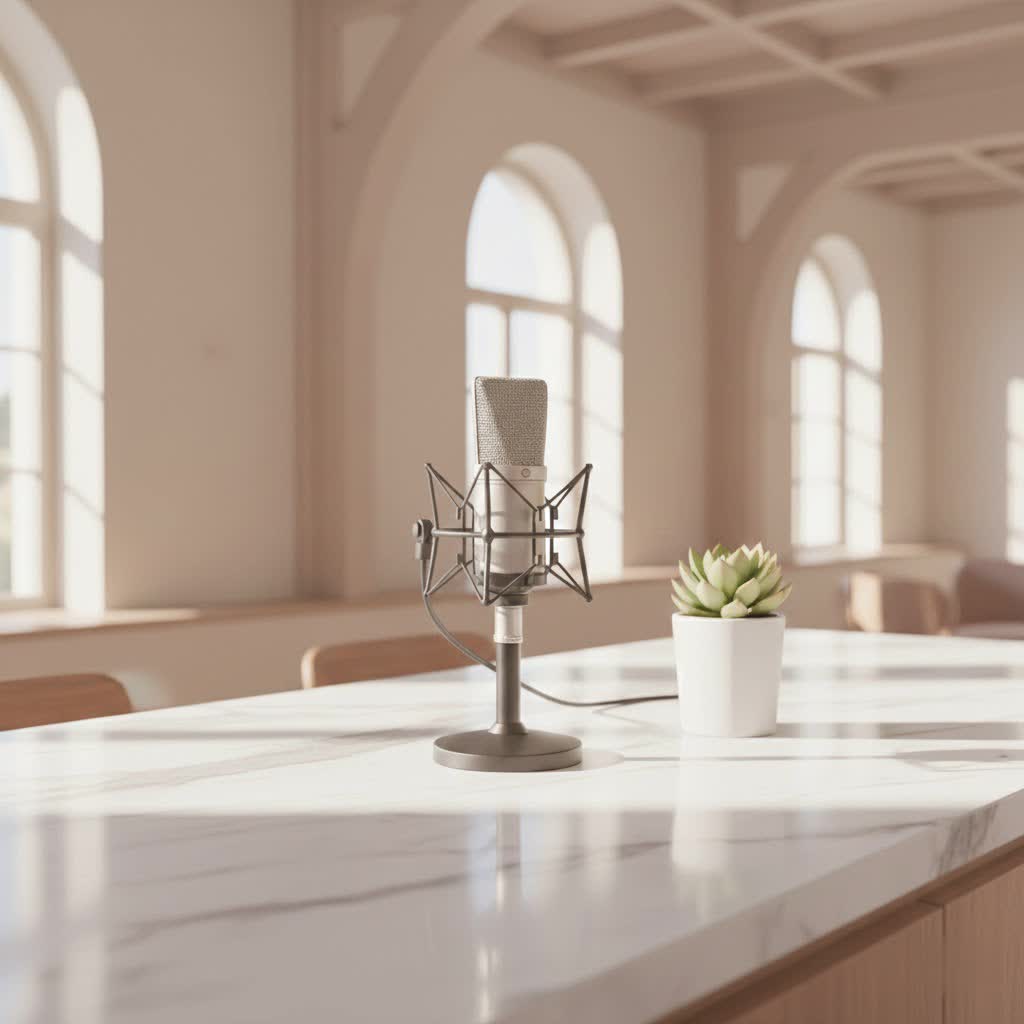
Diving Deep into Audio-Technica’s Studio Mic Lineup
Audio-Technica offers a diverse range of studio microphones, each crafted with precision for specific applications. Knowing the types and their strengths is the first step in harnessing their power.
Condenser Mics: The Heart of Studio Recording
When you think of a studio microphone, chances are you’re picturing a condenser. These mics are known for their sensitivity, wide frequency response, and ability to capture intricate details, making them ideal for vocals and acoustic instruments.
- Large-Diaphragm Condensers (e.g., AT2020, AT2035, AT4040, AT4050): These are the workhorses for capturing rich, full-bodied sound.
- The AT2020 is an industry standard for home and project studios, offering exceptional clarity and a wide dynamic range at an accessible price. It’s a fantastic entry point into quality recording.
- Stepping up, the AT2035 provides a smoother sound and includes a switchable 80 Hz high-pass filter and 10 dB pad, offering more control for diverse sources and louder environments.
- For professional applications, the AT4040 is celebrated for its balanced, transparent sound and robust build, making it a favorite for vocals, acoustic guitars, and even drum overheads.
- The multi-pattern AT4050 takes versatility to another level, allowing you to switch between cardioid, omnidirectional, and figure-8 polar patterns, perfect for complex recording scenarios like duets or room miking.
- Small-Diaphragm Condensers (e.g., AT2021, AT4041): Often called “pencil condensers,” these excel at capturing transients and detailed high frequencies. They are superb for acoustic guitars, drum overheads, hi-hats, and string instruments, delivering a natural and accurate sound.
- Tube Condensers (e.g., AT4060): For those seeking a classic, warm, and rich tone with a touch of vintage character, the AT4060 tube condenser is a premium choice. Its hand-selected tube circuitry adds a unique sonic signature that many artists adore for vocals and instruments.
|
Our Picks for the Best Studio Mic in 2026
As an Amazon Associate I earn from qualifying purchases.
|
||
| Num | Product | Action |
|---|---|---|
| 1 | RØDE NT1 Signature Series Large-Diaphragm Condenser Microphone with Shock Mount, Pop Filter and XLR Cable for Music Production, Vocal Recording, Streaming and Podcasting (Black) |

|
| 2 | AKG Pro Audio P120 - Affordable 2/3-Inch Diaphragm Condenser Microphone for Clear Vocals & Instruments. Studio Recording or Live. XLR Connector. Black |
|
| 3 | Audio-Technica AT2020 Cardioid Condenser Studio XLR Microphone, Ideal for Project/Home Studio Applications, Black |
|
| 4 | Shure SM4 Studio Recording Microphone Kit, XLR Home Studio Condenser Mic with Mix-Ready Audio - All-Metal Construction, Includes Detachable Magnetic Pop Filter & Shock Mount (SM4-K-KIT) |
|
| 5 | Shure SM7B Vocal Dynamic Microphone – XLR Studio Mic for Podcasting, Recording, Broadcasting, Streaming & Gaming – Smooth, Warm Sound, Rugged Build, Detachable Windscreen, Wide Frequency Range, Black |
|
| 6 | RØDE NT1 5th Generation Large-diaphragm Studio Condenser Microphone with XLR and USB Outputs, Shock Mount and Pop Filter for Music Production, Vocal Recording and Podcasting (Black) |
|
| 7 | Condenser Microphone,PC Computer Podcast USB Condenser Microphone Cardioid Metal Mic Kit for Recording, Podcasting, Home Studio, YouTube, Black, BM-800 |
|
| 8 | Upgraded Studio Recording Microphone with Isolation Shield & Pop Filter - Music Condenser Mic for Podcasting, Singing, Home Studio - Sound for PC, Laptop, Smartphone |
|
| 9 | Studio Recording Microphone Isolation Shield with Pop Filter and Metal Tripod Stand, Studio Mic to PC Laptop Smartphone, Music Microphone for Recording Singing Podcasting |
|
| 10 | USB Microphone, MAONO 192KHZ/24Bit Plug & Play PC Computer Podcast Condenser Cardioid Metal Mic Kit with Professional Sound Chipset for Recording, Gaming, Singing, YouTube (AU-A04) |
|
Dynamic Mics: Robustness Meets Performance
While often associated with live sound, some dynamic microphones from Audio-Technica find their place in the studio, especially for instruments with high sound pressure levels (SPLs) or for specific tonal characteristics. Their rugged construction and ability to handle loud signals without distortion make them excellent for guitar cabinets, drums, or even certain aggressive vocal styles where a condenser might be too sensitive.
USB Mics: Simplicity for the Modern Creator
For podcasters, streamers, and musicians seeking plug-and-play simplicity without sacrificing quality, Audio-Technica offers fantastic USB microphones. The AT2020USB+ takes the acclaimed sound of the AT2020 and integrates a high-quality A/D converter, allowing direct connection to your computer. It’s an ideal solution for convenient, high-fidelity recording on the go or in a minimalist setup.
Mastering Your Audio-Technica Mic: Essential Recording Techniques
Having a great Audio-Technica studio mic is only half the battle. Knowing how to use it effectively is where the magic truly happens.
Optimal Mic Placement: Finding the Sweet Spot
Mic placement is an art form. Small adjustments can drastically alter your sound.
- For Vocals: Start with the mic 6-12 inches from the singer, slightly off-axis to reduce plosives (p, b sounds). Experiment with height and angle to find the “sweet spot” that best captures the singer’s unique tone. Remember the proximity effect – getting closer increases bass response.
- For Acoustic Guitar: Aiming the mic towards the 12th fret, about 6-12 inches away, often yields a balanced sound. For more body, angle it towards the soundhole; for more attack and less boom, aim it towards the bridge.
- Using Polar Patterns: If your mic has multiple patterns (like the AT4050), understand them. Cardioid is great for isolating a single source, omnidirectional captures the room’s ambiance, and figure-8 is perfect for interviews or mid-side recording techniques.
Gain Staging and Monitoring: Keeping It Clean
Proper gain staging is crucial to avoid distortion and achieve a clean recording.
- Setting Input Gain: Gradually increase the input gain on your audio interface or preamp while the source is at its loudest. Aim for peaks around -10 dBFS to -6 dBFS. This leaves plenty of headroom, preventing unwanted clipping.
- Monitoring: Use quality headphones to monitor your sound without introducing room noise. Pay attention to the overall balance and clarity. Avoid recording with excessive monitor volume that might bleed into the microphone.
Battling Unwanted Noise: Pop Filters and Isolation
Unwanted noise can ruin an otherwise perfect take.
- Pop Filters: A pop filter is a must-have for vocal recording. It stops harsh “p” and “b” plosive sounds from overloading the microphone capsule, which can cause significant distortion. Position it 2-3 inches in front of the mic.
- Shock Mounts: Most quality Audio-Technica studio mics come with or are compatible with shock mounts. These suspend the microphone, isolating it from vibrations and handling noise transmitted through the mic stand.
- Room Acoustics: While not always feasible for home studios, minimizing reflections with blankets, foam, or even a duvet can drastically improve sound quality by reducing flutter echoes and standing waves. Recording in a quiet environment is paramount.
Polishing Your Sound: Audio Processing with Audio-Technica Mics
Once you’ve captured your audio with your Audio-Technica studio mic, the next step is to refine it using audio processing tools.
Essential Software and Plugins: Your Digital Toolkit
Modern recording relies heavily on Digital Audio Workstations (DAWs) like Pro Tools, Logic Pro, Ableton Live, or Reaper. These platforms host a vast array of plugins that allow you to sculpt your sound. You’ll commonly use EQs, compressors, noise reduction tools, reverbs, and delays.
EQ, Compression, and Noise Reduction: Shaping Your Tone
- Equalization (EQ): Use EQ to balance the frequencies of your recording. For example, you might cut some muddy low-mids from a vocal or boost the crispness in an acoustic guitar. A great Audio-Technica mic captures a balanced signal, often requiring less drastic EQ later.
- Compression: Compression helps control dynamic range, making loud parts quieter and quiet parts louder, resulting in a more consistent and impactful sound. Apply it subtly to vocals to help them sit better in the mix, or aggressively to drums for punch.
- Noise Reduction: If you have some subtle hiss or hum, noise reduction plugins can help clean it up, but remember that prevention through proper recording technique is always better. Over-processing can make your audio sound unnatural.
Adding Effects: Reverb, Delay, and Beyond
Effects add space, depth, and character to your recordings.
- Reverb: Simulates different acoustic spaces, from a small room to a grand hall, adding realism and dimension. Use it sparingly to avoid muddiness.
- Delay: Creates echoes, adding rhythm and atmosphere. Sync it to your song’s tempo for a musical effect.
- These effects, when applied judiciously, can transform a dry recording into a vibrant, professional-sounding track, enhancing the inherent quality captured by your Audio-Technica studio mic.
Choosing Your Perfect Audio-Technica Studio Mic: A Buyer’s Guide
Navigating the array of choices can be daunting, but by considering a few key factors, you can pinpoint the ideal Audio-Technica studio mic for your needs.
Consider Your Application: Vocals, Instruments, Podcasting?
Your primary use case is the most critical factor.
- For Vocals: A large-diaphragm condenser like the AT2020, AT2035, or AT4040 is often the best choice for its sensitivity and full frequency response.
- For Acoustic Instruments: Small-diaphragm condensers (AT2021, AT4041) excel for clarity and transient detail, while a large-diaphragm (AT4040) can offer more body.
- For Podcasting/Streaming: A USB condenser like the AT2020USB+ offers convenience and quality, or for a more traditional setup, an XLR condenser provides flexibility.
- For Drums/Guitar Cabs: Dynamic mics (while less in the “studio mic” spotlight for AT) can handle the SPLs, or specific condenser models rated for high SPL (like certain AT40 series models) can work wonders for overheads and room sounds.
Understanding Your Environment: Treated Room vs. Home Studio
The acoustics of your recording space heavily influence your mic choice.
- Treated Studio: In a well-treated room, you can afford to use more sensitive microphones, including omnidirectional patterns, to capture the room’s natural reverb.
- Untreated Home Studio: In a typical bedroom, a microphone with a tight cardioid polar pattern (like many Audio-Technica studio mics) will help reject unwanted room reflections and ambient noise, focusing primarily on your sound source.
Budget vs. Performance: Getting the Most Bang for Your Buck
Audio-Technica offers quality across various price points.
- Entry-Level (e.g., AT2020): Excellent value, perfect for beginners or those on a tight budget needing reliable performance.
- Mid-Range (e.g., AT2035, AT4033a): Offers enhanced features, improved sonic characteristics, and greater versatility for growing studios.
- Professional (e.g., AT4040, AT4050, AT4060): These are top-tier microphones built for uncompromising sound quality and durability in professional environments. Invest here if your budget allows and your needs demand the absolute best.
Key Features to Look For: Polar Patterns, Frequency Response, SPL
- Polar Patterns: Understand if you need cardioid (most common, rejects sound from the rear), omnidirectional (captures sound from all directions, great for room ambiance), or figure-8 (captures front and rear, rejects sides, good for duets or mid-side).
- Frequency Response: A wider, flatter frequency response generally means a more accurate microphone. Check the mic’s chart to see how it performs across the audible spectrum.
- Max SPL (Sound Pressure Level): This indicates how loud a sound source a mic can handle before distorting. High SPL ratings are crucial for miking drums or loud guitar amps.
As Eleanor Vance, a seasoned audio engineer with two decades of experience in music production, often advises, “The best Audio-Technica mic isn’t always the most expensive one; it’s the one that perfectly matches your voice, your instrument, and your recording environment. Do your homework, listen with your ears, and trust your instincts.”
Extending the Life of Your Investment: Care and Maintenance
Your Audio-Technica studio mic is a precision instrument. Proper care will ensure it performs flawlessly for years to come.
Cleaning and Handling: Keeping It Pristine
- Gentle Cleaning: After each session, gently wipe down the microphone body with a soft, dry, lint-free cloth to remove fingerprints and dust.
- Grille Cleaning: For microphones with removable grilles, you can carefully clean the grille with a soft brush or a slightly damp cloth (ensure no moisture gets into the capsule). Always allow it to air dry completely before reattaching.
- Avoid Moisture: Microphones and moisture do not mix. Never spray cleaning solutions directly onto the mic. Keep it away from drinks and humid environments.
- Handle with Care: Always hold the microphone by its body, not the cable or grille. Dropping a microphone, especially a condenser, can cause irreparable damage to the delicate internal components.
Proper Storage: Protecting Your Gear
- Original Packaging/Case: When not in use, always store your Audio-Technica studio mic in its original padded case or a dedicated microphone pouch. This protects it from dust, humidity, and accidental bumps.
- Desiccants: In very humid climates, consider placing a small silica gel packet in the microphone case to absorb moisture and prevent corrosion of internal components.
- Temperature Stability: Store microphones in a stable environment, avoiding extreme temperature fluctuations, which can affect the mic’s performance and longevity.
Frequently Asked Questions About Audio-Technica Studio Mics
What is the best Audio-Technica mic for vocals?
For most vocalists, the Audio-Technica AT2020 is an excellent and affordable choice, while the AT2035 offers a step up with a smoother sound. For professional-grade vocals, the AT4040 or AT4050 are widely regarded for their clarity and detailed capture.
Can I use an Audio-Technica USB mic for professional recording?
While convenient, USB microphones like the AT2020USB+ are generally best suited for podcasts, voiceovers, and demos. For professional music production requiring advanced processing and pristine quality, an XLR Audio-Technica studio mic paired with a good audio interface is typically preferred.
What’s the difference between the AT2020 and AT2035?
The AT2035 offers a slightly larger diaphragm, resulting in a smoother sound and a higher maximum SPL. It also includes a switchable 80 Hz high-pass filter and a 10 dB pad, providing more versatility than the simpler AT2020.
Do Audio-Technica studio mics require phantom power?
Most Audio-Technica condenser studio microphones require 48V phantom power to operate. This power is supplied through the XLR cable from an audio interface, mixer, or dedicated preamp. Dynamic and USB microphones typically do not require phantom power.
How often should I clean my Audio-Technica mic?
It’s a good practice to wipe down the exterior of your microphone with a soft, dry cloth after every use. A deeper cleaning of the grille (if removable) can be done periodically, especially if multiple people are using the mic, but always ensure no moisture reaches the capsule.
Conclusion
Audio-Technica studio mics are more than just tools; they are gateways to capturing your unique sound with unparalleled clarity and precision. From the budget-friendly versatility of the AT2020 to the professional-grade transparency of the AT4040, there’s an Audio-Technica microphone perfectly suited for every recording challenge and creative vision. By understanding the different types, implementing professional recording techniques, and committing to proper care, you’ll unlock the full potential of your Audio-Technica investment. So go ahead, experiment, explore, and let your sound shine through. We can’t wait to hear what you create!
