For anyone stepping behind the mic, whether it’s for a high-energy morning show, a captivating podcast, or a meticulously crafted voiceover, the quality of your sound isn’t just a detail – it’s your calling card. A pristine voice cuts through the clutter, building trust and connection with your audience. Here at Tmava, we believe that understanding your tools is the first step to mastering your craft, and when it comes to capturing that perfect “radio voice,” your Radio Studio Mic is undoubtedly the star of the show.
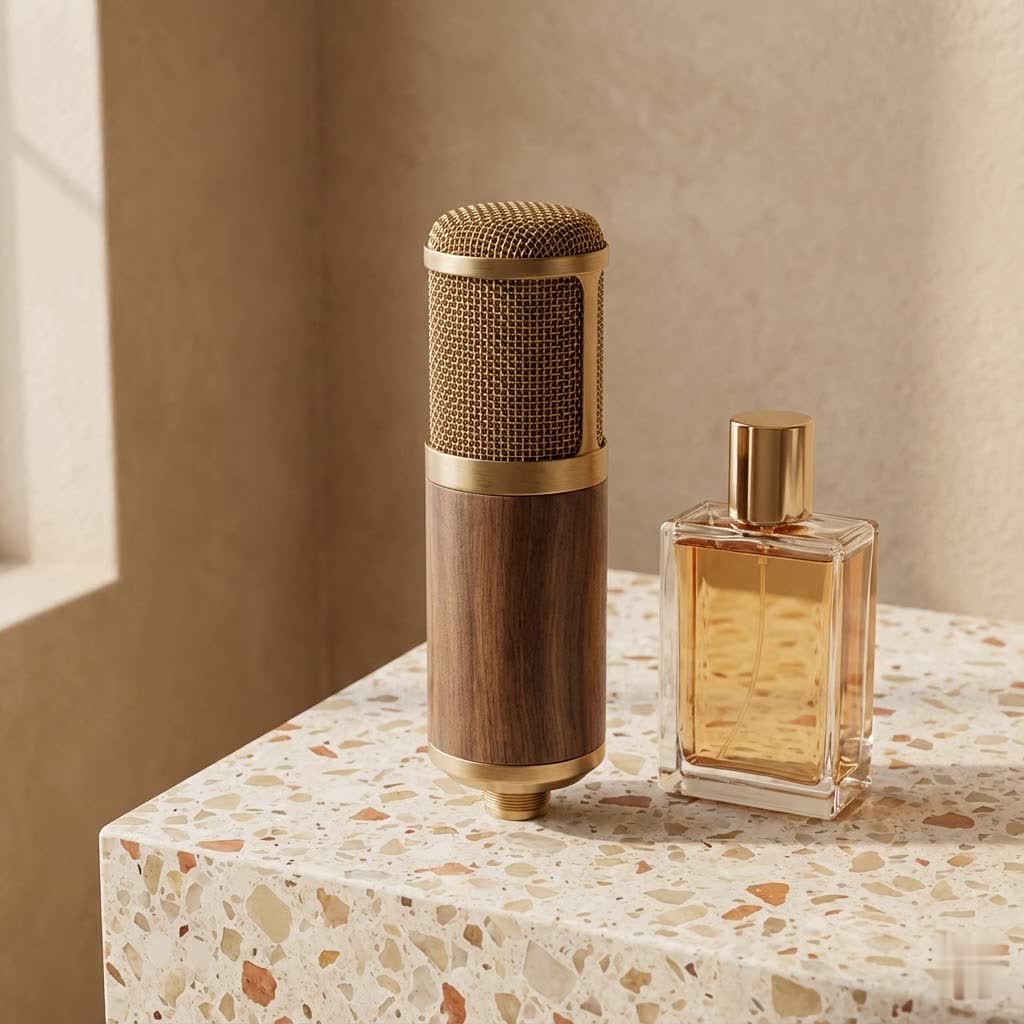
As someone who’s spent over a decade tweaking knobs, positioning microphones, and chasing that elusive perfect take, I’ve seen firsthand how the right microphone can transform a good voice into an unforgettable one. It’s more than just a piece of equipment; it’s an extension of your vocal artistry, designed to translate your message with clarity, warmth, and presence.
1. Demystifying Radio Studio Mic Types: Your Voice, Your Tool
Choosing a radio studio mic can feel like picking a wand at Ollivanders – each has its own character, strengths, and ideal applications. Let’s break down the main contenders you’ll encounter in the broadcast world.
Dynamic Microphones: The Workhorse of Broadcast
If a microphone could be described as a trusty pickup truck, it would be the dynamic mic. These are the rugged, reliable stalwarts often seen in live venues and busy broadcast studios.
Characteristics: Dynamic microphones operate on electromagnetic induction. They have a simpler construction, making them incredibly durable and able to withstand significant sound pressure levels (SPL) without distortion. This resilience makes them less sensitive to the nuances of your recording environment, making them a fantastic choice for less-than-perfect acoustic spaces.
Pros:
- Durability: They can take a beating and keep on ticking, making them ideal for high-traffic studios or mobile setups.
- Background Noise Rejection: Their lower sensitivity and often cardioid polar patterns excel at focusing on the sound source directly in front, minimizing unwanted room noise. This is crucial for live radio or home studios without extensive acoustic treatment.
- Cost-Effective: Many excellent dynamic mics are available at more accessible price points.
Cons:
- Less Detail: Generally, they don’t capture the same level of subtle vocal detail or extended frequency response as condenser mics.
- Lower Output: They often require more gain from your preamplifier, which can sometimes introduce noise if your preamp isn’t top-tier.
|
Our Picks for the Best Studio Mic in 2026
As an Amazon Associate I earn from qualifying purchases.
|
||
| Num | Product | Action |
|---|---|---|
| 1 | Shure SM4 Studio Recording Microphone Kit, XLR Home Studio Condenser Mic with Mix-Ready Audio - All-Metal Construction, Includes Detachable Magnetic Pop Filter & Shock Mount (SM4-K-KIT) |

|
| 2 | Studio Recording Microphone Isolation Shield with Pop Filter and Metal Tripod Stand, Studio Mic to PC Laptop Smartphone, Music Microphone for Recording Singing Podcasting |
|
| 3 | RØDE NT1 5th Generation Large-diaphragm Studio Condenser Microphone with XLR and USB Outputs, Shock Mount and Pop Filter for Music Production, Vocal Recording and Podcasting (Black) |
|
| 4 | RØDE NT1 Signature Series Large-Diaphragm Condenser Microphone with Shock Mount, Pop Filter and XLR Cable for Music Production, Vocal Recording, Streaming and Podcasting (Black) |
|
| 5 | Audio-Technica AT2020 Cardioid Condenser Studio XLR Microphone, Ideal for Project/Home Studio Applications, Black |
|
| 6 | Shure SM7B Vocal Dynamic Microphone – XLR Studio Mic for Podcasting, Recording, Broadcasting, Streaming & Gaming – Smooth, Warm Sound, Rugged Build, Detachable Windscreen, Wide Frequency Range, Black |
|
| 7 | AKG Pro Audio P120 - Affordable 2/3-Inch Diaphragm Condenser Microphone for Clear Vocals & Instruments. Studio Recording or Live. XLR Connector. Black |
|
| 8 | Upgraded Studio Recording Microphone with Isolation Shield & Pop Filter - Music Condenser Mic for Podcasting, Singing, Home Studio - Sound for PC, Laptop, Smartphone |
|
| 9 | USB Microphone, MAONO 192KHZ/24Bit Plug & Play PC Computer Podcast Condenser Cardioid Metal Mic Kit with Professional Sound Chipset for Recording, Gaming, Singing, YouTube (AU-A04) |
|
| 10 | Condenser Microphone,PC Computer Podcast USB Condenser Microphone Cardioid Metal Mic Kit for Recording, Podcasting, Home Studio, YouTube, Black, BM-800 |
|
Popular Models & Applications: Iconic dynamic mics like the Shure SM7B and the Electro-Voice RE20 are broadcast legends, revered for their ability to deliver a rich, polished vocal tone, even in challenging environments. The Heil PR40 is another professional-grade option, known for its clarity. These are perfect for energetic radio hosts, podcasters in untreated rooms, and situations where sound isolation is paramount.
Condenser Microphones: Capturing Every Nuance
Think of condenser microphones as the precision instruments of the mic world – delicate, highly sensitive, and capable of capturing an astonishing amount of detail.
Characteristics: Condensers work on an electrostatic principle, using a lightweight diaphragm that vibrates with sound waves, changing the capacitance between two plates. This design allows for a much wider frequency response and greater sensitivity than dynamic mics. They typically require phantom power (usually 48V) from a mixer or audio interface to operate.
Pros:
- High Fidelity: They excel at capturing subtle vocal nuances, rich harmonics, and a broader frequency spectrum, resulting in a detailed, “airy” sound.
- Clarity and Presence: Ideal for studio recordings, voice-overs, and podcasts where pristine audio quality is the top priority.
- Versatility: Many large-diaphragm condensers offer multiple polar patterns, allowing flexibility for different recording scenarios.
Cons:
- Fragility: Their delicate internal components make them more susceptible to damage from drops or rough handling.
- Sensitivity to Room Noise: Their high sensitivity means they pick up everything – good and bad. Untreated rooms can sound boomy, reflective, or noisy through a condenser mic.
- Requires Phantom Power: An external power source is necessary.
Popular Models & Applications: The Neumann TLM 103 is a staple in professional voiceover booths, offering a pristine, broadcast-ready sound. Other excellent choices include the versatile AKG C414 and the popular Rode NT1. These mics shine in acoustically treated studios, for professional voice-overs, and for podcasts where every breath and inflection needs to be perfectly clear.
Ribbon Microphones: The Vintage Warmth
Ribbon microphones are a nod to audio history, offering a uniquely smooth, warm, and natural sound that’s coveted for certain vocal styles.
Characteristics: Ribbon mics use a thin, corrugated metal ribbon suspended in a magnetic field. Sound waves vibrate the ribbon, inducing a voltage. They typically have a figure-8 polar pattern, meaning they pick up sound equally from the front and back while rejecting sounds from the sides.
Pros:
- Warm and Smooth Tone: Known for their incredibly natural and forgiving sound, particularly on vocals and brass instruments. They tend to tame harsh high frequencies.
- Figure-8 Pattern: Excellent for interviews with two speakers facing each other, or for blending direct sound with room ambience in a controlled manner.
Cons:
- Extreme Fragility: The ribbon element is incredibly delicate and can be damaged by strong blasts of air (like plosives or wind), drops, or even improper phantom power application on some older models.
- Lower Output: Often requires a high-gain, low-noise preamplifier.
Applications: While less common for general radio speech due to their fragility and specific sound profile, ribbon mics are superb for character voices, vintage radio effects, or when you desire a uniquely smooth and mellow vocal timbre.
USB Microphones: A Gateway to Broadcasting
For beginners or those with simpler setups, USB microphones offer unparalleled convenience. They plug directly into your computer, bypassing the need for an audio interface. While professional radio studios typically opt for XLR mics for their superior quality and flexibility, a good USB mic like the Movo UM700 or the Rode NT USB-Mini can be an excellent starting point for casual podcasting or early-stage broadcasting. Just be aware that their processing and upgrade options are usually more limited.
2. Mastering the Airwaves: Professional Recording Techniques for Your Radio Mic
A fantastic microphone is only half the battle; how you use it is just as critical. Even the most expensive radio studio mic won’t sound its best without proper technique.
Mic Placement: The Sweet Spot
Finding the right distance and angle for your microphone can make or break your sound.
- Distance is Key: Aim for a distance of about 6 to 12 inches from your mouth. Closer than 6 inches can trigger the “proximity effect” with directional microphones, which is an artificial boost in low frequencies that can make your voice sound muddy or boomy. While some broadcasters deliberately use this for a “big voice” effect, it often needs careful management. Beyond 12 inches, you risk picking up more room ambience and less of your direct vocal clarity.
- Angle for Clarity: Instead of speaking directly into the mic, try angling it slightly off-axis – perhaps pointing towards your mouth from just below your nose, or even slightly to the side. This helps minimize harsh “plosives” (the “p” and “b” sounds that cause bursts of air) without sacrificing too much clarity.
- Understanding Polar Patterns:
- Cardioid (Unidirectional): The most common pattern, picking up sound primarily from the front, with good rejection from the sides and rear. Ideal for isolating your voice and minimizing room noise.
- Omnidirectional: Picks up sound equally from all directions. Great for capturing the natural sound of a room or for group discussions if your acoustics are excellent, but generally avoided for single-speaker radio to prevent excessive room reflections.
- Figure-8 (Bidirectional): Picks up sound equally from the front and back, rejecting from the sides. Perfect for two-person interviews where speakers face each other across the mic.
Taming the Beast: Gain Staging and Noise Control
Even with perfect mic placement, technical errors can derail your sound.
- Setting Proper Gain: This is crucial. Your gain (input level) should be high enough to capture a strong signal without peaking (clipping), which causes harsh digital distortion. Aim for your signal to average around -10dB to -6dB on your meter, with peaks not exceeding -3dB. “It’s always better to record too quietly than too loud,” advises Elara Vance, Senior Broadcast Engineer at Zenith Audio Labs. “You can always boost a clean, quiet signal, but you can never fix a clipped one.”
- The Indispensable Pop Filter: A pop filter is your first line of defense against plosives. It’s a thin screen placed a few inches in front of the mic, diffusing air blasts and protecting the mic capsule from moisture and saliva. Always use one when recording vocals.
- Minimizing Background Noise: Beyond mic choice, consider your environment. Close doors and windows, turn off noisy fans or air conditioning, and silence your phone. Even a simple duvet over your head can provide surprising acoustic isolation in a pinch for critical voice work!
- Monitor with Headphones: Always wear quality headphones while recording to accurately hear what your microphone is capturing – background hums, subtle distortions, or room reflections you might otherwise miss.
Room Acoustics: Your Silent Partner
The sound of your room has a profound impact on your recording, especially with sensitive condenser microphones. Untreated rooms can cause reflections, echoes, and a muddy sound. Even simple steps like hanging heavy blankets, using bookshelves to break up parallel walls, or placing acoustic foam panels can significantly improve your sound by absorbing unwanted reflections.
3. Sculpting Your Sound: Audio Processing for Radio Studio Microphones
Once your voice is beautifully captured, it’s time to polish it. Audio processing is where you transform raw audio into that crisp, powerful “radio-ready” sound.
Essential Tools: Software & Plugins
You’ll typically do your audio processing within a Digital Audio Workstation (DAW) like Adobe Audition, Pro Tools, Logic Pro, or Audacity. These programs host various plugins – virtual effects units – that allow you to shape your sound. Some online radio platforms even offer built-in audio processing software.
The Radio Voice Formula: EQ, Compression, and Effects
Achieving that signature broadcast sound often involves a specific chain of effects:
-
EQ (Equalization): Shaping the Tone
- High-Pass Filter (HPF): This is often your first move. Roll off low frequencies below 60-120Hz to remove rumble, handling noise, and unwanted bass resonance that can muddy your voice. For male voices, you might go higher (up to 250-300 Hz), and for female voices (200-250 Hz).
- Subtractive EQ: Listen for “muddy” frequencies (often around 200-500Hz) and gently cut them to add clarity. You might also find harsh or nasal frequencies (around 2-4kHz) that need a subtle reduction.
- Additive EQ: Once the problematic frequencies are tamed, you can gently boost for presence and “air.” A slight boost around 5-8kHz can enhance clarity, and a touch around 10-15kHz can add a desirable sparkle or “airiness” to the voice. Be subtle – too much can sound unnatural.
-
Compression: Consistency and Punch
- Vocals are naturally dynamic; some parts are loud, others soft. A compressor reduces the difference between the loudest and quietest parts, making your voice more consistent and “present.”
- Settings: For radio, heavy compression is often applied. A ratio of 2:1 to 4:1 is common, with a medium attack (10-30ms) to let initial transients through, and a fast release (50-100ms) to make the vocal feel upfront. This creates that “always on top” sound.
-
Other Essential Effects:
- Gate/Expander: Placed early in the chain, a noise gate mutes the signal when it falls below a certain threshold, effectively cutting out background noise and mic bleed between phrases. An expander does a similar job but with a more natural sound.
- De-esser: Sibilance (harsh “s” and “sh” sounds) can be jarring. A de-esser targets these specific frequencies and reduces their intensity.
- Exciter/Enhancer: These plugins add subtle harmonic content, giving your voice extra crispness and perceived loudness, especially in the high frequencies.
- Stereo Widener: For pre-recorded content, a subtle stereo widener can give your vocal more presence in a stereo mix.
- Loudness Maximizer/Limiter: The final stage of processing, ensuring your audio meets broadcast loudness standards and doesn’t clip, providing a consistent, powerful output.
4. Your Perfect Match: Choosing the Right Radio Studio Mic
Selecting the ideal radio studio mic isn’t just about technical specs; it’s about finding the perfect synergy between your voice, your broadcast style, and your environment.
Voice Type & Style
Every voice is unique. A mic that sounds incredible on one person might not suit another.
- Deeper Voices: Might benefit from a mic that naturally handles low frequencies well, but be careful of excessive proximity effect.
- Higher Pitched Voices: Might sound great on a mic with a smooth high-end response, avoiding harshness.
- Energetic vs. Mellow: Dynamic mics often suit energetic, in-your-face delivery, while condensers can capture the nuanced details of a more intimate, conversational style.
Broadcast Application
Consider what you’ll be using the mic for most frequently:
- Live Radio Broadcasts: Durability and excellent off-axis rejection (like dynamics) are often paramount due to unpredictable environments and multiple speakers.
- Podcasting/Voice-overs: High clarity, detail, and a wide frequency response (like condensers) are usually preferred, especially in treated studios.
- Interviews: Figure-8 patterns from ribbon mics or specific condenser settings can be invaluable, or a pair of well-placed cardioid dynamics.
Environment & Budget
Your recording space and wallet are practical considerations.
- Treated Studio: With good acoustic treatment, you can confidently use sensitive condenser mics to capture every detail.
- Home Setup/Untreated Room: Dynamic mics are often a safer bet, as they are less prone to picking up unwanted room reflections and ambient noise.
- Budget: While professional gear can be an investment, there are excellent options at every price point. Start with what you can afford, and prioritize an XLR setup with a good audio interface for future upgradeability.
Connectivity: XLR vs. USB
- XLR: The professional standard. XLR microphones connect to an audio interface or mixer, offering superior sound quality, greater flexibility, and the ability to use phantom power (for condensers). This is the path to truly professional radio sound.
- USB: Convenient for beginners, plugging directly into a computer. While improving, they typically offer fewer features and less flexibility than XLR setups, and the built-in analog-to-digital conversion may not be as high quality.
5. Safeguarding Your Investment: Maintenance and Care for Radio Studio Mics
Your radio studio mic is a precision instrument, and like any valuable tool, it needs proper care to ensure longevity and consistent performance. Neglecting maintenance can lead to degraded sound quality, intermittent issues, or even complete failure.
Handling with Care
- Avoid Drops: This might seem obvious, but microphones are delicate. A sudden drop can damage the capsule, diaphragm, or internal electronics. Always handle your mic gently.
- Use Shock Mounts: Many studio microphones, especially condensers, come with or require a shock mount. This suspension system isolates the mic from vibrations transmitted through the mic stand, preventing thumps and rumbling noises, and also offers some physical protection.
- Secure Mounting: Ensure your mic is securely attached to a sturdy stand. Counterbalance boom arms properly to prevent tipping, especially with heavy microphones.
Cleaning Rituals
Regular cleaning prevents dust, moisture, and debris from accumulating, which can significantly impact sound quality.
- Exterior: Use a soft, dry microfiber cloth to gently wipe down the microphone’s body, removing dust and fingerprints.
- Grille (Dynamic Mics): For dynamic mics with removable grilles, you can carefully unscrew them and clean the foam windscreen with a gentle brush or slightly damp cloth. Ensure it’s completely dry before reassembling.
- Condenser Mics – A Word of Caution: Never apply moisture directly to a condenser capsule. The electrically charged diaphragm is extremely sensitive to liquids. This is why a pop filter is vital – it catches saliva and breath moisture before they reach the capsule. If you suspect contamination, consult a professional.
- Ribbon Mics: These are exceedingly delicate. Avoid touching the ribbon element and protect them from any strong blasts of air, including cleaning sprays. Gentle dusting with a very soft brush (like a camel hair brush) is the safest approach.
Proper Storage
When not in use, proper storage is paramount to protect your investment.
- Protective Cases: Always store your microphone in its original protective case or a dedicated padded pouch. These shield against dust, physical impact, and environmental fluctuations.
- Plastic Bags: Even when in a case, placing your mic in an unsealed plastic bag (like a sandwich bag) before storage can prevent airborne dust and foam particles from case linings from settling on the capsule.
- Environment: Store microphones in a dry environment at room temperature. Avoid extreme humidity, direct sunlight, or drastic temperature changes, as these can degrade internal components over time.
Connection Checks
Periodically inspect your cables and connectors.
- Cables: Look for frayed wires, kinks, or damage. Replace faulty cables immediately, as they can introduce noise or intermittent signals.
- XLR Connectors: Ensure the pins are clean and straight. Loose or corroded connections can lead to poor audio quality.
Phantom Power Protocol (for Condenser Mics)
Always adhere to the correct sequence when using phantom power:
- Connect the XLR cable to the microphone first.
- Then, connect the other end of the XLR cable to your audio interface or mixer.
- Only then should you activate phantom power.
- When disconnecting, turn off phantom power, wait a few seconds, then disconnect the cable from the interface/mixer, and finally from the microphone. This prevents potentially damaging electrical spikes to the sensitive capsule.
Your Voice, Amplified by Tmava
Mastering the art of radio broadcasting begins with the microphone, your gateway to the airwaves. From understanding the nuanced characteristics of dynamic and condenser mics to finessing your recording techniques and polishing your sound with expert processing, every step contributes to that professional “radio-ready” voice. And remember, meticulous maintenance ensures your trusted mic continues to deliver that pristine sound for years to come.
So, go forth and experiment! Find the radio studio mic that resonates with your voice, refine your techniques, and sculpt your sound with confidence. Your audience is waiting to hear you, clearer and more compelling than ever before. Visit Tmava.com for more in-depth guides and become the professional you aspire to be. Share your journey and let us know what makes your radio voice shine!
